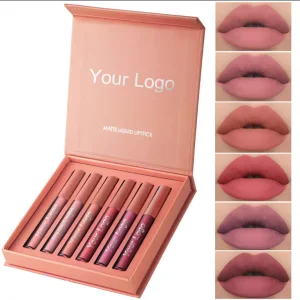
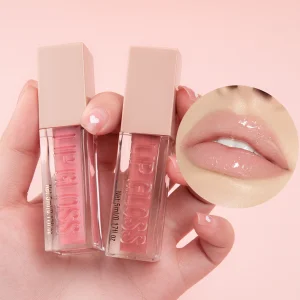
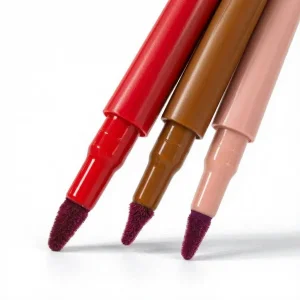
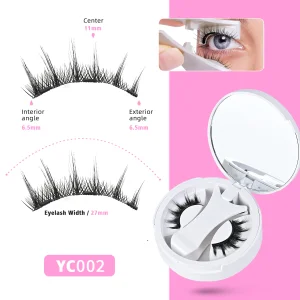
Featured Innovations & OEM Cosmetic Solutions
Corporate Excellence & OEM Manufacturing Capabilities
In the highly competitive color cosmetics sector, the eyeshadow stick has emerged as an indispensable category. Valued for its convenience, precise application, and long-wear performance, the global demand for cream eyeshadow sticks continues to rise. Meeting this demand requires manufacturing partners who offer a synthesis of advanced formulation technology, robust regulatory compliance, and scalable, high-throughput manufacturing infrastructure.
Jiangsu Jenae Beauty Co. Ltd., established in 2011, stands at the forefront of this manufacturing ecosystem. As a premier manufacturer focused on the development, formulation, and global distribution of cosmetics, we balance technological innovation with industry-leading safety protocols. Guided by our foundational principles of integrity, mutual value creation, and responsibility, we serve as a key partner for beauty brands seeking market-ready, compliant, and consumer-centric makeup solutions.
Our expansive product portfolio spans two primary formulation divisions:
- Powder-Based Products: Eyeshadows, blushers, highlighters, and specialty hair chalk.
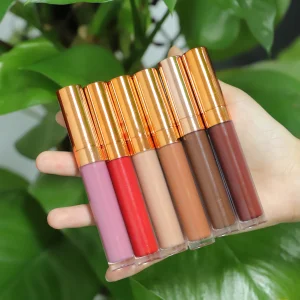
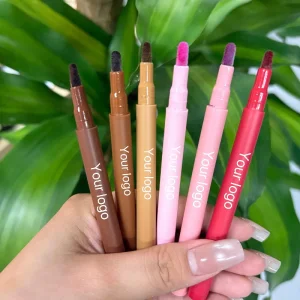
- Wax-Based Products: Lip balms, lip glosses, lipsticks, and precision cream eyeshadow sticks.
By housing an independent, state-of-the-art laboratory, we streamline the transition from research and development to commercialization. This ensures that every formulation complies with global regulatory standards while delivering the performance modern consumers expect.
The Strategic Advantages of Cosmetic Manufacturing in China
China is the global center for cosmetic manufacturing, particularly for complex cream, stick, and multi-use formats. Partnering with a specialized Chinese manufacturer like Jiangsu Jenae Beauty Co. Ltd. provides global brands with key structural advantages:
Advanced Formula Stabilization
Anhydrous (water-free) stick formulas require precise stabilization to prevent melting, shrinking, or sweating. Chinese R&D facilities utilize microcrystalline waxes, synthetic beeswaxes, and volatile silicones to ensure structural stability across diverse climates, from humid tropical markets to cold regions.
Unmatched Supply Chain Integration
Our production facilities benefit from localized supply chains for raw ingredients, primary packaging components (such as airtight twist-up pens and wood-clenched sticks), and secondary cardboard packaging. This integration reduces lead times and lowers transportation costs.
Scalability & High-Throughput Automation
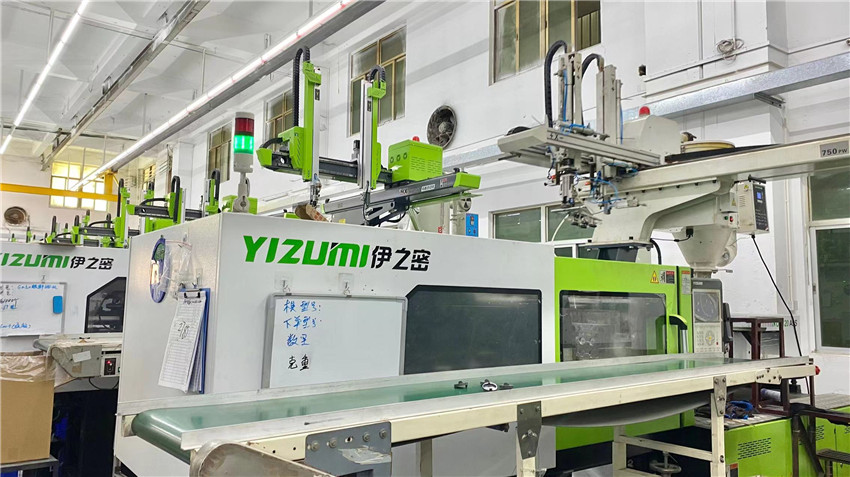
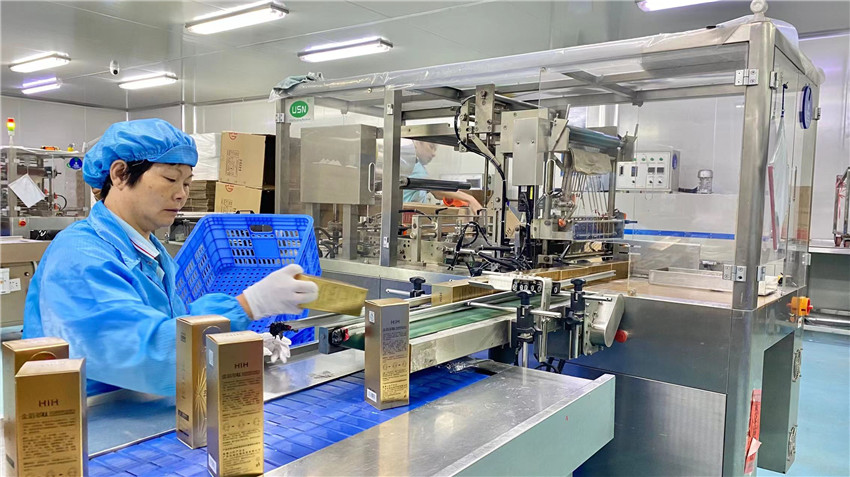
Equipped with automated hot-filling lines, cooling tunnels, and high-speed labeling systems, our manufacturing facility handles high-volume production runs efficiently, maintaining consistency and accuracy from batch to batch.
Our End-to-End Manufacturing Process
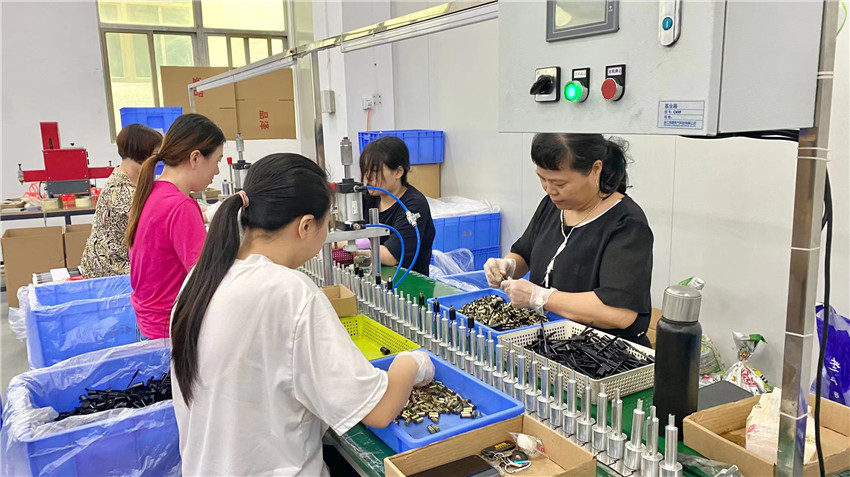
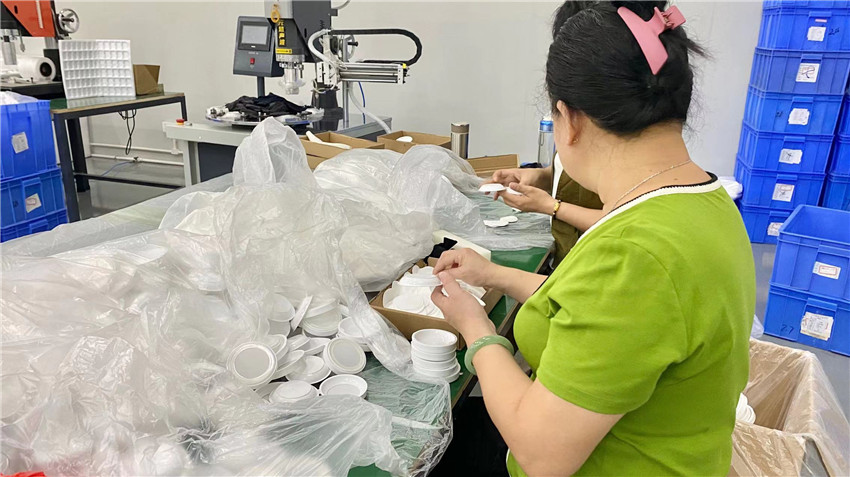
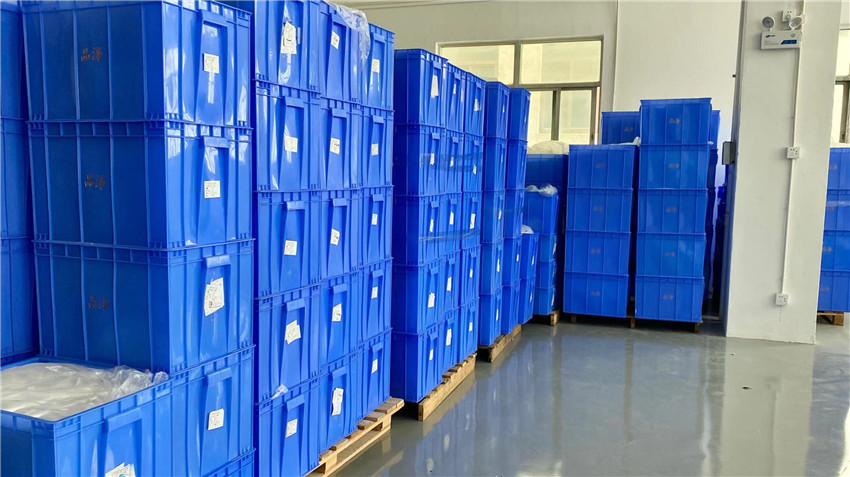
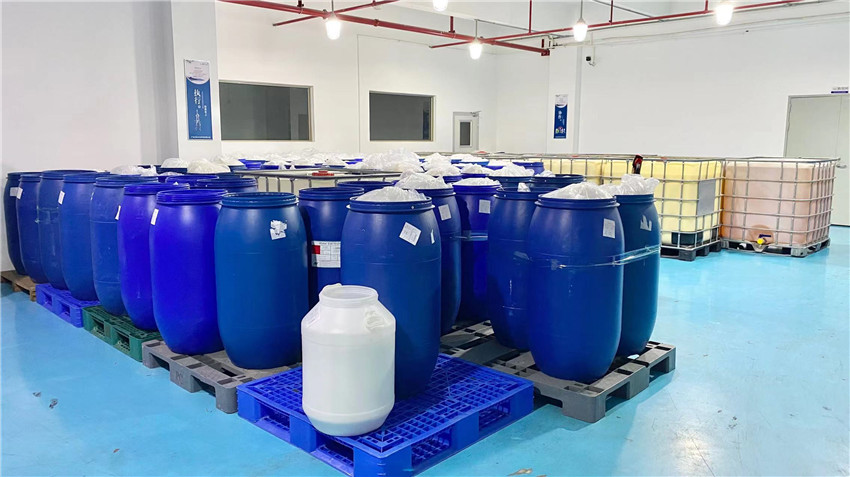
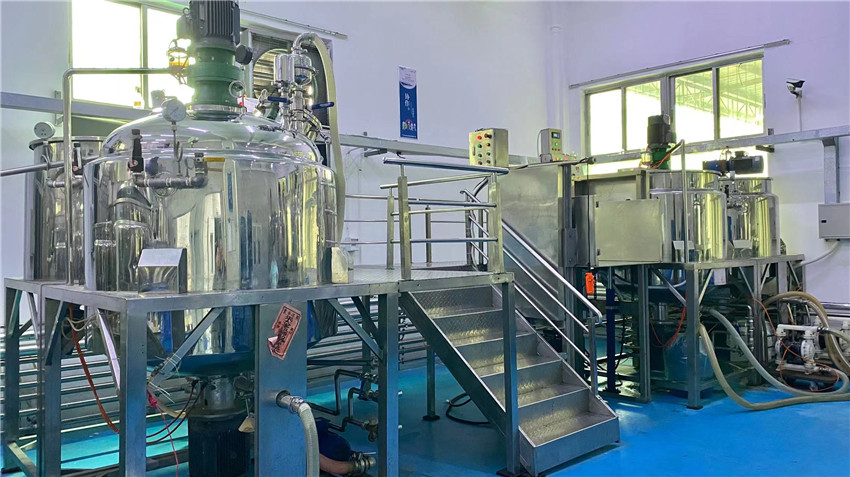
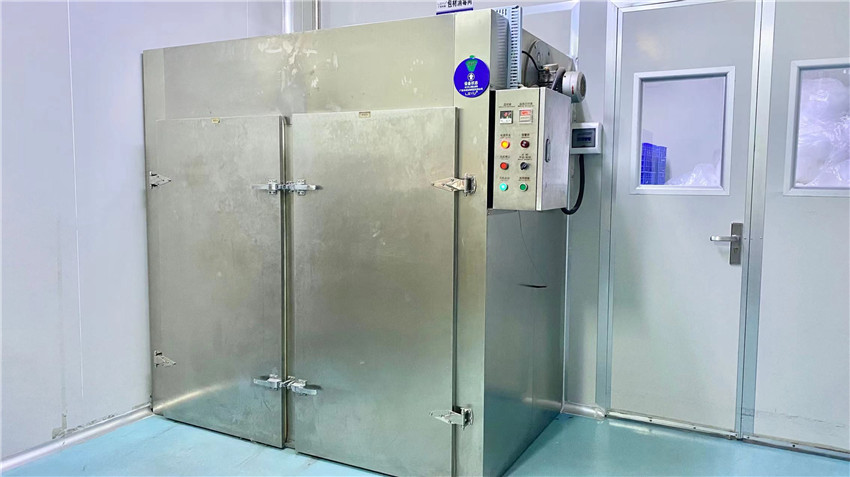
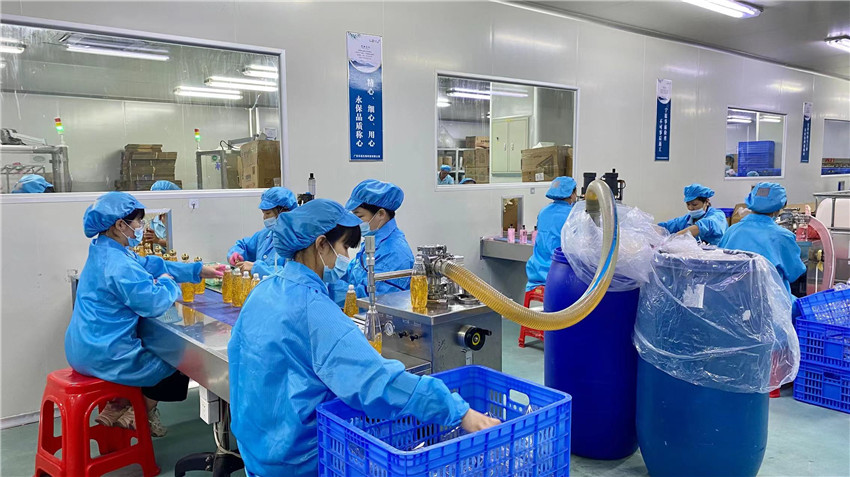
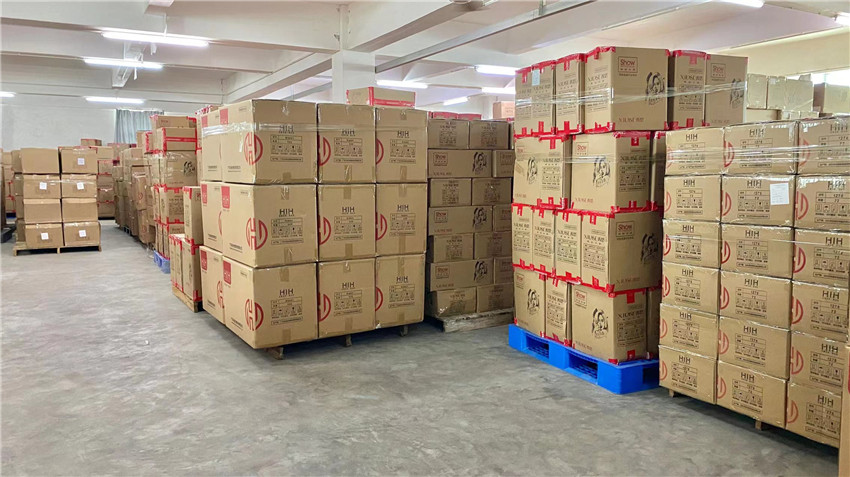
Quality assurance is embedded in every stage of our production cycle. Below is an overview of our manufacturing process, displaying our actual facility operations and production capabilities:

The Science of Eyeshadow Stick Formulation
Developing a high-performance eyeshadow stick requires balancing structural stability and sensory application. A formula must glide smoothly across the delicate eyelid area without dragging, yet set quickly to a smudge-resistant, waterproof finish.
1. The Structural Matrix: Waxes & Emollients
The foundation of any cosmetic stick is its wax-to-oil ratio. Our R&D laboratory employs a optimized blend of high-melting-point waxes (e.g., Carnauba and Candelilla Waxes) to provide mechanical strength, combined with synthetic waxes to ensure a smooth, velvety payoff. By incorporating lightweight, volatile silicones (such as Isododecane and Cyclopentasiloxane), the stick provides an easy glide upon application. As these volatile components evaporate, the formula transitions into a budge-proof, long-wear film.
2. Surface-Treated Pigments & Light Reflecting Agents
To prevent creasing and clumping, all pigments used in our formulations undergo surface treatment (e.g., lecithin or alkyl silane coatings). This hydrophobic coating enhances pigment dispersion within the wax matrix, ensuring consistent color payoff in a single swipe. For shimmer and metallic variations, we utilize synthetic fluorphlogopite (synthetic mica) to achieve high shine without the safety and ethical concerns associated with natural mica extraction.
3. Packaging Compatibility & Airtight Design
Because premium cream eyeshadow formulas rely on volatile carriers, packaging selection is critical. Our packaging team ensures that the primary twist-up pens feature airtight seals (measured by moisture loss testing over 90 days at 45°C). This prevents the product from drying out on retail shelves, ensuring a long shelf life for international markets.
Macro-Industry Trends Shaping Eyeshadow Stick Sourcing
To maintain market relevance, brands must align their product lines with global consumer trends. Jiangsu Jenae Beauty Co. Ltd. works closely with brand managers to implement these developments through proactive OEM/ODM options:
Clean Beauty & Vegan Formulations
Modern consumers demand clean, vegan, and cruelty-free ingredients. We formulate eyeshadow sticks without parabens, phthalates, D5 silicones, or animal-derived waxes. Our ingredients are fully traceable and compliant with global clean beauty standards (e.g., Sephora Clean, Target Clean).
Multi-Functional Performance
The distinction between skincare and color cosmetics is increasingly fluid. We offer formulations enriched with active skincare ingredients, including Hyaluronic Acid for hydration, Vitamin E for antioxidant protection, and peptide complexes to support the delicate eye area.
Sustainable & Monomaterial Packaging
With a growing focus on sustainability, we offer PCR (Post-Consumer Recycled) plastic barrels and monomaterial designs. These options allow consumers to recycle the entire pen without complex disassembly, helping brands meet their sustainability goals.
Global Sourcing Requirements & Regulatory Compliance
Navigating the global regulatory landscape is a critical aspect of international cosmetics sourcing. Our manufacturing systems comply with regulations across major global markets:
Regulatory Compliance & Certifications
Our manufacturing processes are designed to meet the strict standards required for international distribution:
- FDA Compliance (United States): All color additives utilized in our formulations are FDA-approved. Raw materials are checked against current MoCRA regulations to ensure safety and compliance.
- EU Cosmetics Regulation EC No 1223/2009: We support our European clients by maintaining Product Information Files (PIF), preparing Safety Assessments, and formulating in compliance with the EU Annexes.
- Heavy Metals & Microbiological Testing: Every production batch undergoes comprehensive testing for heavy metals (Arsenic, Lead, Mercury, Cadmium) and microbiological counts to ensure safety and purity.
Analytical Testing Protocol
Frequently Asked Questions (FAQ)
Explore Our Full Cosmetic Product Catalog