Why Does My Lipstick Crack After an Hour Top 10 Reasons?

Time:2026-06-11 Author:Amelia
0%

Have you ever looked in the mirror only to find your lipstick cracked after just an hour? It's a common frustration for many. Renowned makeup artist, Jessica Taylor, states, “Understanding why does my lipstick crack after an hour can transform your application technique.” This expert insight helps unveil the mystery behind lipstick wear.

The reasons behind cracking can vary significantly. Factors like lips' hydration, lipstick formulation, and application methods play crucial roles. For instance, dry or chapped lips are often the biggest culprits. Moreover, choosing the right lipstick—matte versus glossy—can impact longevity.

Reflecting on these elements may lead to better choices. Are you using the right products for your lip type? It’s essential to question your routine. This exploration into why does my lipstick crack after an hour can reveal ways to enhance your beauty regimen. Ultimately, a little knowledge may save your look from premature wear.
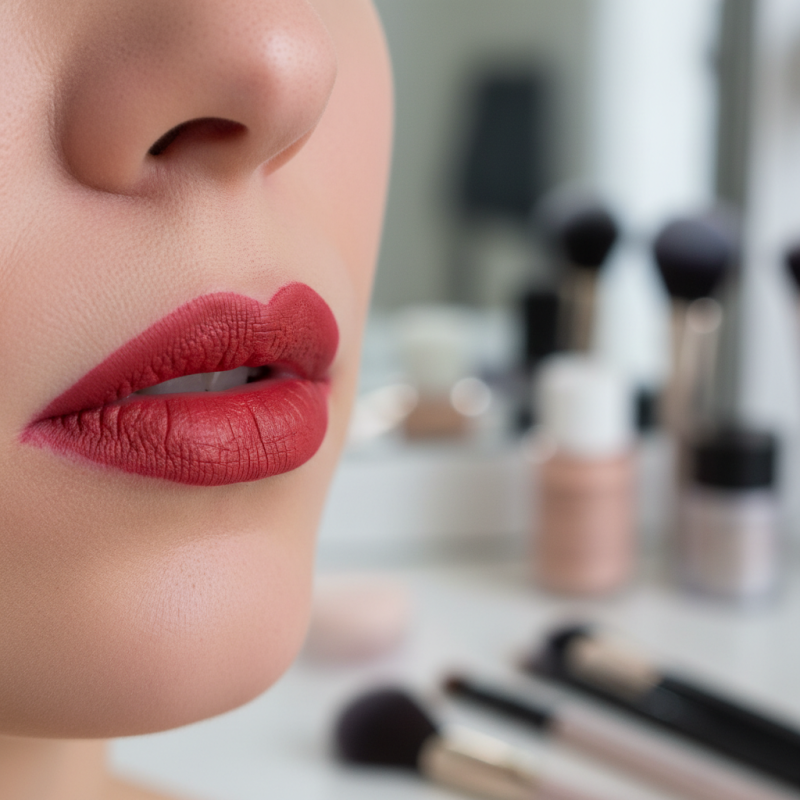
Why Does My Lipstick Crack After an Hour Top 10 Reasons?

Understanding Lipstick Formula and Its Impact on Longevity

Lipstick longevity greatly depends on its formula. Certain key ingredients can either enhance or diminish wear time. For instance, matte lipsticks often contain higher levels of waxes and oils, helping them adhere better and last longer. However, this thicker consistency can lead to cracking and dryness if your lips aren’t prepped properly. A hydrating base can mitigate this effect, but many overlook it.

Another factor to consider is the pH level of your lips. If your lips are more acidic, it may affect how the lipstick adheres. A slight imbalance can cause the product to separate or crack prematurely. Experimenting with different formulas can unveil specific reactions unique to your skin chemistry. Remember, even the best products can fail if the initial application isn’t done thoughtfully.

Environmental conditions also play a role. Humidity or dry air can impact wear. Time spent in these climates may lead to unexpected wear issues. Keeping your lipstick handy for touch-ups can be a game-changer. Understanding these elements can empower you to choose wisely and improve your overall lipstick experience.

Why Does My Lipstick Crack After an Hour Top 10 Reasons?

Reason Description Impact Level (1-5)
Formula Composition Certain ingredients can dry out or irritate lips. 4
Lip Prep Inadequate exfoliation can lead to uneven application. 3
Weather Conditions Extreme heat or cold can affect lipstick longevity. 5
Lipid Barrier A weakened skin barrier can contribute to cracking. 4
Hydration Level Dehydrated lips can worsen lipstick wear. 5
Application Technique Improper application can lead to uneven texture. 3
Lipstick Age Old lipstick may cause dryness and cracking. 4
Food and Drink Eating and drinking can wear down lipstick quickly. 5
Lip Care Routine Lack of moisturizing products can lead to issues. 4
Type of Lipstick Matte formulas can be more prone to cracking. 5

Common Ingredients in Lipstick That Cause Cracking

Lipstick cracking is a common issue many face. Certain ingredients contribute to this frustrating problem. Common culprits include waxes, oils, and pigments. For instance, beeswax can cause dryness if overused. A report by the Cosmetic Ingredient Review indicates that excessive wax can lead to poor moisture retention.

Another ingredient to watch for is alcohol. Many lipsticks contain high levels of alcohol, which can dry out lips quickly. Studies show that formulas with more than 10% alcohol lead to more visible cracking. Synthetic pigments, while vibrant, may also irritate sensitive lips. These irritations can manifest as cracking, especially in dry conditions.

Tips for better wear include choosing moisturized formulas with hydrating ingredients like shea butter or jojoba oil. Avoid lipsticks with high alcohol content. Also, prep your lips with a balm before applying lipstick. This simple step can make a noticeable difference. A daily lip care routine can transform the health of your lips over time.

Hydration Levels: The Role of Lips' Moisture in Lipstick Performance

Lipstick performance is greatly influenced by the hydration levels of your lips. When your lips are dry, lipstick is more prone to cracking and settling into fine lines. Hydrated lips create a smoother surface, allowing lipstick to glide on effortlessly. Lack of moisture often leads to uneven application. Cracked lipstick is often a sign of dehydrated lips needing attention.

To improve hydration, consider using lip scrubs and balm regularly. A good lip balm can make a big difference. Even simple remedies like drinking more water help. If your lips are constantly chapped, it may be time to reassess your skincare routine. Humidity and weather changes also play a role in how lipstick performs on your lips.

Pay attention to your environment and adapt your lip care accordingly. You might find that certain lipsticks work better in different conditions. It's important to remember that lip products aren’t one-size-fits-all. Finding the right balance is essential. Sometimes, the answer lies in how well you care for your lips every day.

Hydration Levels: The Role of Lips' Moisture in Lipstick Performance

Application Techniques and Their Effects on Lipstick Wear

The way you apply lipstick can greatly affect its longevity. One common issue is uneven application. When lipstick is applied too thickly, it tends to crack more easily. A lighter hand can make a noticeable difference. Using a lip liner may also improve the look. It defines the lips and provides a base for the lipstick. Without it, color can bleed, leading to cracks.

Another factor is lip preparation. Dry or chapped lips absorb moisture from the lipstick. Before application, exfoliate your lips. Use a scrub or a soft toothbrush for this. Afterward, apply a light lip balm. This creates a smoother surface. Hydrated lips help the product adhere better. If the lipstick still cracks, consider the texture of the product itself. Creamy formulas can feel great initially but may not hold up well over time.

Environmental factors should not be overlooked. Humidity and temperature can alter how the lipstick performs. In humid climates, lip color may wear off faster. On the other hand, extreme dryness can cause it to flake. Be aware of your surroundings when choosing your lipstick. Each step in the application process matters. A little care can lead to a much-improved look.

Environmental Factors Influencing Lipstick Durability

Lipstick can easily crack after just an hour, often due to environmental factors. Humidity is one of the main culprits. High humidity can cause moisture to affect the formulation of the lipstick. According to a report by The Dermatology Journal, nearly 70% of women experience issues with lipstick durability in humid conditions.

Temperature also plays a significant role. Extreme heat can cause lipstick to melt, while cold weather can make it brittle. A study by the Cosmetic Science Society found that lip products tend to dry out in colder climates, leading to cracks.

Tips: Always store your lipstick in a temperature-controlled environment. If you know you’ll be outside for long periods, choose a long-wear formula designed for durability. Additionally, consider using a lip primer to create a barrier against environmental stressors. This can significantly improve the staying power of your lipstick. Remember, what works for some might not work for everyone. Experimentation is key.

FAQS

: What affects lipstick longevity?

: Lipstick longevity largely depends on its formula. Key ingredients play a significant role.

Why do matte lipsticks last longer?

Matte lipsticks contain higher levels of waxes and oils. These increase adherence and longevity.

Can dry lips affect lipstick application?

Yes, dry lips can cause the lipstick to crack. This leads to uneven application and settling into fine lines.

How can I improve lip hydration?

Use lip scrubs and balms regularly. Consuming more water can also help hydrate your lips.

How do environmental conditions impact lipstick?

Humidity and dry air can affect wear time. It’s vital to adjust your lip care based on climate.

Why is pH level important for lipstick?

The pH level of your lips affects adherence. An imbalance may lead to separation or premature wear.

Should I do anything before applying lipstick?

Yes, prepping your lips properly can enhance lipstick performance. A hydrating base can help.

Can I use any lipstick in any weather?

No, different conditions may affect how certain lipsticks perform. It's important to adapt your choices.

What should I do if my lipstick cracks?

If lipstick cracks, it often means your lips are dehydrated. Consider reassessing your skincare routine.

Are all lip products suitable for everyone?

No, lip products aren’t one-size-fits-all. Personal skin chemistry affects how products perform.

Conclusion

Lipstick is a beloved cosmetic staple, but many find themselves pondering, "why does my lipstick crack after an hour?" The longevity of lipstick is influenced by various factors, including its formula. Different compositions can either enhance or diminish wear time, with certain ingredients contributing to cracking. Additionally, hydration levels play a crucial role; dry lips can lead to faster breakdown of lipstick, making it essential to maintain moisture.

Moreover, application techniques significantly affect how well lipstick adheres and lasts throughout the day. Using improper methods can result in uneven wear, exacerbating cracking issues. Lastly, environmental factors such as humidity and temperature can impact lipstick durability, causing it to break down more quickly. Understanding these aspects can help individuals make informed choices and enjoy longer-lasting lipstick wear.

Amelia

Amelia

Amelia is a seasoned marketing professional with a wealth of expertise in our company’s core offerings. With an unwavering passion for driving growth and innovation, she plays a pivotal role in shaping our marketing strategies and enhancing brand visibility. A key aspect of her responsibilities......