Why Understanding Undertones is Key to Finding the Right Foundation?

Time:2026-07-19 Author:Oliver
0%

Finding the right foundation is a challenge for many. A key aspect of this process is understanding undertones. According to a 2020 study by the NPD Group, 68% of consumers struggle with selecting their perfect foundation due to this very issue. Knowing how to find the right undertone for foundation can make a significant difference.

Undertones influence how makeup appears on the skin. They range from warm and cool to neutral. A report from the International Cosmetic Science Center highlighted that mismatched undertones can lead to a lackluster appearance. This underscores the importance of recognizing the base tones in your skin.

However, identifying undertones isn't straightforward. Many factors contribute to this, such as lighting and skin type. Personal experiences can vary widely. It’s essential to take time to analyze your skin under different lighting conditions. Creating a personalized approach can enhance your foundation experience and boost overall confidence.
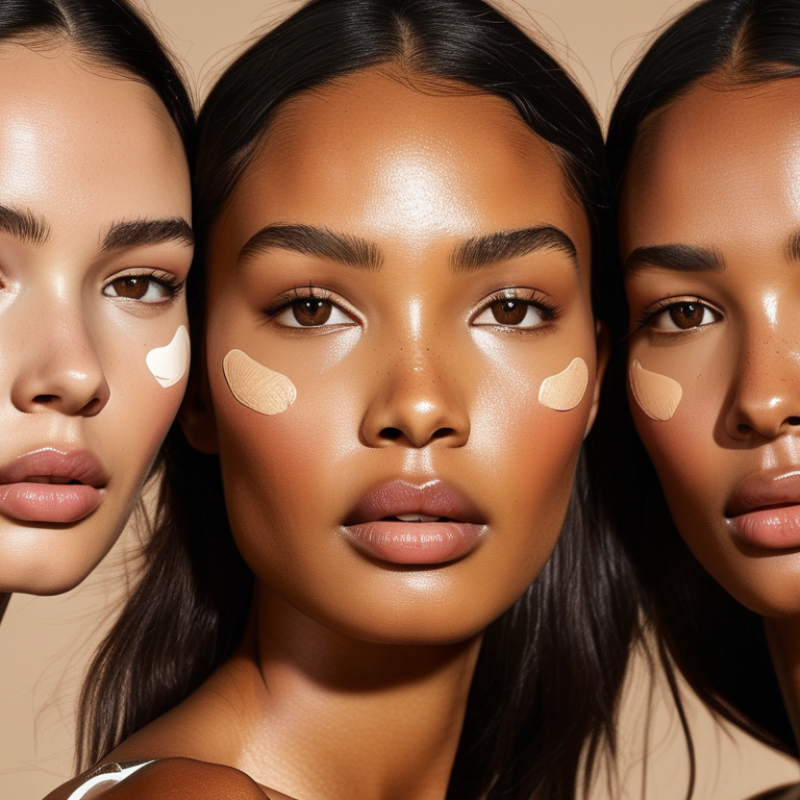
Why Understanding Undertones is Key to Finding the Right Foundation?

Understanding the Concept of Undertones in Skin Color

Understanding undertones in skin color is essential when selecting the right foundation. The concept of undertones refers to the subtle hues beneath the skin's surface. These hues can be classified into three main categories: cool, warm, and neutral. According to a survey by the American Academy of Dermatology, 60% of people struggle to find the perfect foundation shade due to misunderstandings about undertones.

Cool undertones often have hints of pink, red, or blue. Warm undertones lean towards golden or yellow shades. Neutral undertones blend these hues, making it trickier to identify. A study from the International Journal of Cosmetic Science highlights that 70% of respondents were more satisfied with their foundation match after considering undertones.

Misconceptions abound in this area. Many individuals choose foundations based solely on surface appearance, overlooking their unique undertones. This can lead to mismatched colors that either wash out their complexion or create an unnatural contrast. As the industry evolves, understanding undertones becomes crucial for achieving a natural look and enhancing one's unique beauty.

Types of Undertones: Warm, Cool, and Neutral Explained

Understanding undertones is crucial for selecting the perfect foundation. Undertones are divided into three categories: warm, cool, and neutral. Warm undertones have yellow or golden hues. People with cool undertones often display pink or blue aspects. Neutral undertones blend both warm and cool shades, making it tricky to identify.

According to a study by the International Journal of Cosmetic Science, a staggering 75% of women struggle to find their ideal foundation shade. This shows the importance of knowing your undertone. Failing to do so can result in mismatched skin tones that appear ashy or overly orange. When choosing a foundation, test shades on your jawline, as this area reflects your true skin tone better.

Tips: To identify your undertone, check the veins on your wrist. Blue veins generally indicate a cool undertone, while green suggests warmth. If you see both, you likely have a neutral undertone. Don’t hesitate to ask for samples at beauty counters. Try a few shades for a few days. Evaluate how they interact with your skin's natural hues under different lighting. This evaluation leads to better decisions.

Understanding your undertone can transform your makeup experience. Many women overlook this aspect in their beauty routines. Recognizing subtle differences in undertones can empower choices and enhance the overall look. Adjusting your foundation shade can help you avoid a washed-out appearance or the dreaded "mask" effect.

How Undertones Influence Foundation Shade Selection

Understanding undertones is crucial when selecting the right foundation. Undertones are the subtle hues beneath your skin's surface that dictate how colors appear on you. They generally fall into three categories: cool, warm, and neutral. Cool undertones often have hints of pink or blue, while warm undertones lean toward yellow or peach. Neutral undertones balance both cool and warm tones. Knowing your undertone can drastically improve your foundation match.

When choosing a foundation shade, your undertone plays a significant role. For instance, a warm undertone often pairs well with golden or yellow-toned foundations. A cool undertone, on the other hand, looks better in foundations with pink or blue bases. Selecting the wrong undertone can lead to an unnatural appearance, even if the shade matches your skin tone. Many people find it challenging to identify their undertones. Lighting conditions can often mislead you, making it difficult to determine the perfect match.

Exploring color swatches in natural light is key. Observing how different shades complement or clash with your skin can be enlightening. For some, experimentation is necessary, leading to potential mismatches. This trial-and-error approach can be frustrating, yet it allows for personal growth and understanding of one's skin. Finding the right foundation is not always straightforward. Recognizing and accepting the need for adjustments can enhance your overall makeup experience.

Understanding Undertones in Foundation Selection

The Importance of Testing Foundation Against Your Skin Undertones

Choosing the right foundation can be daunting. Understanding your skin undertones is crucial. These undertones can be warm, cool, or neutral. They impact how shades appear on your skin. Without this knowledge, finding a suitable match is nearly impossible.

Testing foundation against your undertones is essential. Swatching different shades on your jawline can reveal a lot. For warm undertones, golden or peachy shades often work best. Cool undertones usually look better with pink or blue tones. Neutral undertones provide flexibility, as they can wear both warm and cool. However, it is not always straightforward. Some might misinterpret their undertones, leading to mismatches.

Take time to explore. Sometimes, the right shade may surprise you. Do not rush into a decision. While a shade may look ideal initially, it could appear different in various lighting. Be open to trial and error. Adjusting to your true undertone can enhance your overall look significantly.

Common Mistakes to Avoid When Choosing Foundation Undertones

Choosing the right foundation can be tricky, especially when it comes to undertones. Many individuals overlook their skin’s unique undertones. This leads to mismatched shades and unnatural finishes. The undertone is not just about the surface color. It affects how foundation looks in different lighting. Red, yellow, and blue undertones create a spectrum that can either complement or clash with your natural skin tone.

A common mistake is ignoring the undertone when trying on products. Many make the mistake of testing foundation in poor lighting. This distorts the true appearance of the makeup. Testing on the jawline is better than on the hand. Also, remember that the foundation may look different over time. Natural oils can alter its appearance throughout the day. Try to observe how it reacts after a few hours.

Another pitfall is choosing based solely on the trends or recommendations. What works for others may not work for you. Understand your own skin's undertones. Take time to differentiate between warm, cool, and neutral. This awareness will ultimately lead to a more flattering match and a more confident you. Only after finding the right undertone should you consider finish and coverage.

Why Understanding Undertones is Key to Finding the Right Foundation? - Common Mistakes to Avoid When Choosing Foundation Undertones

Undertone Type Skin Tone Category Ideal Shade Match Common Mistakes
Cool Fair to Medium Pink or Rosy Choosing a Warm Foundation
Warm Medium to Tan Peach or Golden Opting for Cool Undertones
Neutral All Undertone Ranges Beige or Ivory Choosing Only One Undertone Type
Olive Medium to Tan Greenish or Yellow Ignoring Olive Undertones

FAQS

: What are skin undertones?

: Skin undertones are subtle hues beneath your skin. They can be cool, warm, or neutral.

How do I identify my undertone?

Examine your skin in natural light. Observe how colors look on your skin.

Why are undertones important for foundation selection?

Undertones determine how foundation shades appear on your skin. They can greatly impact your overall look.

What happens if I choose the wrong undertone?

Choosing the wrong undertone can cause an unnatural appearance. It may wash out your complexion or create contrast.

Can I have a mix of undertones?

Yes, neutral undertones blend both warm and cool. This can give you more foundation options.

What should I do if I’m unsure about my undertone?

Swatch different shades on your jawline. Take your time discovering what works best for you.

Is it okay to experiment with foundation shades?

Absolutely! Trial and error can be frustrating but leads to better understanding of your needs.

How does lighting affect foundation testing?

Different lighting can change how a shade appears. Always test in natural light for better accuracy.

Can my undertone change over time?

While undertones typically stay the same, factors like aging can influence the appearance of your skin.

What’s a common mistake people make with undertones?

Many choose based on surface color instead of undertones, leading to mismatches and dissatisfaction.

Conclusion

Understanding your skin's undertone is crucial when selecting the right foundation, as it can significantly affect the overall look and match with your natural complexion. There are three main types of undertones: warm, cool, and neutral. Knowing how to find the right undertone for foundation involves examining the subtle hues in your skin, which will guide you in choosing a foundation shade that complements rather than clashes with your natural tones.

When selecting a foundation, it's essential to test the product against your skin undertones to ensure a seamless blend. Common mistakes include ignoring undertone differences or choosing shades based solely on surface skin color. By avoiding these pitfalls and understanding the role of undertones, you can achieve a more natural and flattering makeup look.

Oliver

Oliver

Oliver is a seasoned marketing professional with a wealth of expertise in driving brand awareness and engagement. With a deep understanding of our company's product offerings, he consistently delivers high-quality content that enriches our professional blog. His insights not only shed light on......