Top 10 Ways to Prep Dry Skin for Matte Foundation

Time:2026-10-07 Author:Amelia
0%

Dry skin can make matte foundation look elegant or emphasize every flaky patch. The difference often begins before makeup touches your face. If your cheeks feel tight after cleansing, a full-coverage matte formula may settle into fine lines, dry areas, and visible texture. That does not mean you must avoid matte makeup. It means your skin needs thoughtful preparation.

This guide explains how to prep dry skin before applying matte foundation with practical, skin-conscious steps. You will learn how to cleanse gently, add lightweight hydration, soften rough patches, and choose compatible skincare layers. A damp cotton pad, a pea-sized moisturizer, and five quiet minutes can change the final finish. Small details matter.

Dermatologists commonly recommend gentle, fragrance-free products for dry or sensitive skin. However, no routine works perfectly for everyone. Your skin may react differently in winter, after exfoliation, or when indoor heating reduces humidity. That part is easy to overlook. Patch-test new products, especially around the nose and eyes. Avoid scrubbing flaky skin aggressively, since irritation can make foundation appear rougher.

The goal is not perfectly poreless skin. It is a smoother, more comfortable surface that helps matte foundation wear evenly. Some days, a satin finish may suit dry skin better than a strongly matte one. Be willing to adjust. These ten preparation methods combine reliable skincare principles with realistic makeup experience, helping you create a polished base without forcing your skin to look unnaturally flat.
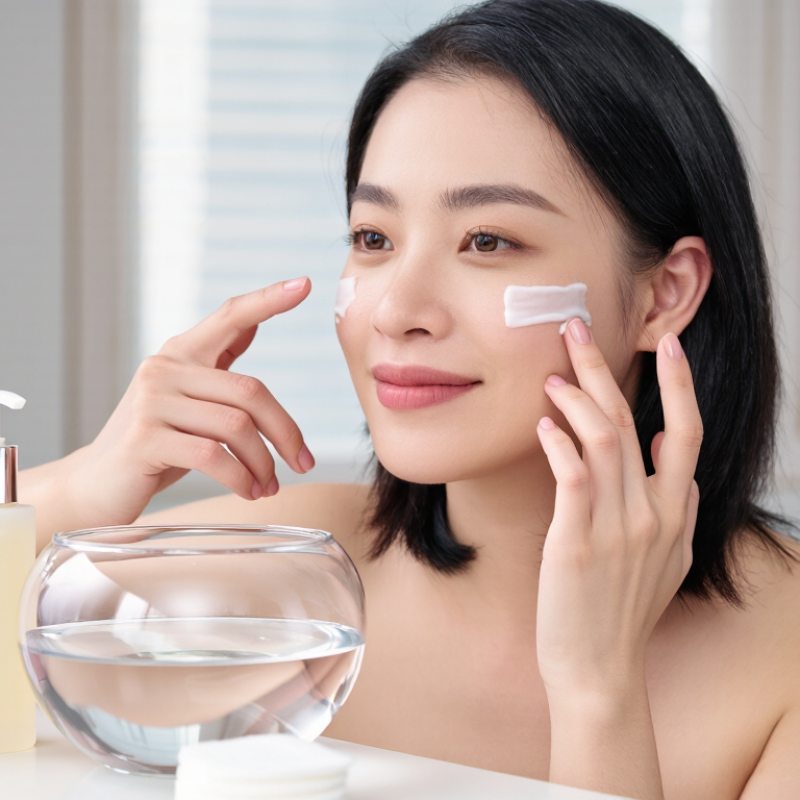
Top 10 Ways to Prep Dry Skin for Matte Foundation

Assess Your Skin’s Dryness and Foundation Needs

Before choosing a matte foundation, examine how your skin behaves, not just how it looks. Wash with a gentle cleanser, then wait ten minutes without applying skincare. Tightness, flaky patches, or fine lines suggest dehydration or dryness. If your cheeks feel dry but your forehead becomes shiny, you may have combination skin. That difference matters.

Your foundation needs depend on texture, coverage, and daily conditions. Dry skin often looks smoother with light or medium coverage and a flexible, moisture-friendly formula. Heavy coverage can settle around the nose and mouth. In my experience, applying too much moisturizer creates a slippery surface. I once blamed the foundation, but my skincare layer was the real problem. Skin is rarely predictable.

Tips: Press a small amount of moisturizer into dry areas, then wait several minutes. Add a thin hydrating primer only where needed. Test foundation along your jaw, not your hand. Check the finish in daylight after thirty minutes. If flakes remain, avoid scrubbing aggressively; gentle exfoliation may help, but overdoing it can increase sensitivity. Matte does not mean flat. Leave a little natural skin visible. On very dry days, mix a tiny amount of facial moisturizer with foundation, though coverage may decrease. Patch testing is sensible when your skin reacts easily.

Cleanse Gently Without Stripping Essential Moisture

Matte foundation reveals flaky patches when cleansing removes too much surface oil. Use lukewarm water and a fragrance-free, low-foam cleanser. Massage with clean fingertips for about 30 seconds, then rinse thoroughly. Avoid rough cloths, cleansing brushes, and repeated washing. The American Academy of Dermatology recommends gentle cleansing and immediate moisturising for dry skin. Its clinical guidance also warns that hot water can worsen dryness. My skin often feels “squeaky clean” afterward, but that feeling is not proof of cleanliness.

Healthy skin barriers matter beneath makeup. The National Eczema Association reports that eczema affects about 10% of adults and up to 20% of children in the United States. Not every dry patch is eczema, yet irritated skin deserves similar restraint. Pat your face dry, leaving a slight dampness, then apply a plain moisturiser. Wait several minutes before foundation. I sometimes rush this step, and the base separates around my nose. That mistake keeps teaching me patience.

Tips: Cleanse once at night if your morning skin feels comfortable. In the morning, try lukewarm water alone. Check the cleanser’s ingredient list for harsh fragrance or strong surfactants. Press a soft towel against your face; never scrub. If tightness persists, a dermatologist can assess the barrier and rule out eczema or contact dermatitis.

Layer Hydrating Skincare in the Right Order

Top 10 Ways to Prep Dry Skin for Matte Foundation

Layer Hydrating Skincare in the Right Order

Matte foundation looks smoother when dry skin is hydrated, not greasy. Start with a gentle cleanse or lukewarm water in the morning. Pat your face dry, leaving slight moisture behind. Apply a hydrating toner or essence with clean hands. Press it in instead of rubbing. Next, use a lightweight humectant serum containing ingredients such as glycerin or hyaluronic acid. These ingredients attract water, but they need moisture around them to work well.

Follow with a thin moisturizer, concentrating on the cheeks, nose corners, and mouth area. Use less around the forehead if that zone becomes shiny. During the day, apply broad-spectrum sunscreen after moisturizer. Let each layer settle for about one minute. Then smooth on a small amount of blurring primer, especially over visible flakes or enlarged pores. More product is not better.

I used to apply rich cream immediately before foundation. That often caused slipping and patchiness. Now, I prep earlier whenever possible. Give skincare ten minutes before makeup. Press a tissue gently over excess shine, then apply foundation with a damp sponge or soft brush. Avoid dragging it across dry areas. If flakes remain, add moisturizer to that spot and wait again. Matte formulas can still emphasize texture, so adjust the routine rather than forcing coverage. Skin changes with weather, hormones, and cleansing habits. A routine that worked last month may need reconsideration today.

Smooth Rough Texture Before Applying Makeup

Matte foundation can highlight every dry patch, so skin preparation matters more than heavy coverage. I start with a gentle cleanser and lukewarm water. Hot water often leaves my cheeks tight and uncomfortable. I pat my face dry instead of rubbing it. Rough towels can create more irritation. On flaky areas, I use a mild chemical exfoliant once weekly. I avoid scrubbing hard. More exfoliation is not always better.

Next, I apply a hydrating serum to slightly damp skin. Ingredients such as glycerin or hyaluronic acid can help attract water. A plain moisturizer then softens uneven texture. I pay extra attention to the nose, chin, and corners of the mouth. These areas often show flakes first. I wait several minutes before makeup. This allows the moisturizer to settle instead of mixing with foundation. Dermatology guidance generally supports gentle cleansing, regular moisturization, and avoiding known irritants for dry skin.

I still sometimes rush this step. That usually leaves small rolls beneath my base. If flakes remain, I press a damp cotton pad over them and remove only what is loose. I do not peel the skin. A thin, smoothing primer can fill tiny lines, but too much may emphasize texture. I apply matte foundation with a damp sponge, using pressing motions instead of dragging. Thin layers look more natural. I add coverage only where redness needs it. If my skin feels tight, the formula is probably too drying for that day.

Set Matte Foundation Without Emphasizing Dry Patches

Top 10 Ways to Prep Dry Skin for Matte Foundation

Matte foundation looks smoother when dry skin is hydrated, not coated. Cosmetics Europe’s 2023 market performance report lists skincare as Europe’s largest beauty category, representing about 28% of sales. That demand reflects a practical truth: skin preparation affects makeup performance. Cleanse with lukewarm water and a gentle, fragrance-free cleanser. Pat your face dry, leaving slight moisture behind. Apply a lightweight moisturizer immediately. The American Academy of Dermatology recommends moisturizing after cleansing to help support the skin barrier.

Wait five to ten minutes. Do not rush this step. I sometimes apply foundation too soon, and the result becomes patchy. Press a tissue gently over the nose and cheeks if the surface still feels slippery. Avoid scrubbing flakes before makeup. It can create more redness and uneven texture. A soft, damp sponge can press a small amount of moisturizer onto stubborn dry areas.

Apply matte foundation in thin layers, starting at the center of the face. Use pressing motions instead of dragging. Set only where movement or shine usually appears, such as the sides of the nose and forehead. Leave visibly dry cheeks mostly unpowdered. A finely milled loose powder works better than heavy layers. Powder can magnify flakes. A light setting mist may reduce a dusty finish, but it cannot repair neglected hydration. Test the routine on one cheek first. Your skin may disagree.

Top 10 Ways to Prep Dry Skin for Matte Foundation — Set Matte Foundation Without Emphasizing Dry Patches
No. When Preparation Step Why It Helps Dry Skin Best-Practice Details
1 The night before Cleanse gently with a fragrance-free, non-abrasive cleanser and lukewarm water. Removes makeup, sunscreen, and buildup without excessively stripping surface oils that support the skin barrier. Avoid hot water, harsh scrubbing, and strong astringents. Pat the skin dry instead of rubbing it.
2 The night before Use a mild moisturizer containing barrier-supportive ingredients such as glycerin, ceramides, or hyaluronic acid. Humectants attract water, while barrier-supportive ingredients help reduce moisture loss and improve surface comfort. Apply moisturizer to slightly damp skin. Choose a formula that absorbs comfortably and does not leave a heavy film.
3 1–2 times weekly Exfoliate sparingly only when visible flaking is caused by accumulated dead skin rather than irritation. Gentle exfoliation can smooth uneven texture, helping foundation apply more evenly across the face. Do not exfoliate on cracked, stinging, sunburned, or inflamed skin. Avoid abrasive scrubs and over-exfoliation.
4 Morning Cleanse lightly or rinse with lukewarm water if the skin is very dry and not sweaty or oily. A minimal morning cleanse can preserve some natural lipids while still preparing the surface for skincare and makeup. Use a gentle cleanser when removing overnight products or when the skin feels congested. Never scrub flakes away.
5 Morning Apply a hydrating layer with water-binding ingredients such as glycerin, panthenol, or hyaluronic acid. Hydration can temporarily improve the look of fine surface lines and roughness, creating a smoother base for foundation. Use a moderate amount and allow it to settle. Too many layers can cause pilling beneath foundation.
6 Morning Seal dry areas with a thin layer of moisturizer or a lightweight emollient cream. Emollients fill small surface gaps and help reduce transepidermal water loss, which may make dry patches look less prominent. Concentrate on the cheeks, around the nose, and other dry zones. Use less product on areas prone to excess shine.
7 Before foundation Apply broad-spectrum sunscreen with SPF 30 or higher when daytime UV exposure is expected. Daily sun protection helps reduce cumulative UV damage, which can contribute to uneven texture, discoloration, and premature skin aging. Use enough sunscreen for full coverage and allow it to set before makeup. Reapply during prolonged outdoor exposure.
8 5–10 minutes before makeup Give skincare time to absorb before applying primer or foundation. A short settling period reduces excess slip, helping foundation adhere more evenly and lowering the chance of pilling. If the face still feels very wet or greasy, gently press with clean fingertips or a tissue. Do not wipe the skin aggressively.
9 Immediately before foundation Use a smoothing, hydrating primer selectively on textured or dry areas rather than applying a thick layer everywhere. A suitable primer can create a more uniform surface and improve foundation distribution without removing the matte effect from the entire face. Avoid layering multiple silicone-heavy or film-forming products if they roll under makeup. Patch-test new products first.
10 Foundation application Apply thin layers with a damp sponge or soft brush, pressing and tapping instead of dragging. Light, controlled layers provide coverage while reducing the amount of product that can settle into flakes and fine lines. Start at the center of the face, blend outward, and add coverage only where needed. Avoid repeatedly working over areas that have begun to set.
Practical note: If dryness is persistent, painful, intensely itchy, cracked, or accompanied by redness, pause exfoliation and consider consulting a qualified healthcare professional. Always patch-test new skincare and makeup products.

FAQS

How can I tell whether my skin is dry, dehydrated, or combination?

Wash gently and wait ten minutes without skincare. Tightness, flakes, or fine lines may suggest dryness or dehydration. Shiny forehead with dry cheeks often indicates combination skin. Skin can be unpredictable.

What foundation coverage usually suits dry skin?

Light or medium coverage often looks more flexible and natural. Heavy coverage may settle around the nose and mouth. Leave a little natural skin visible.

How should I cleanse before applying matte foundation?

Use lukewarm water and a gentle, low-foam cleanser. Massage with clean fingertips for about 30 seconds. Avoid rough cloths, brushes, and repeated washing. “Squeaky clean” can mean excessive dryness.

What skincare order helps prevent patchy foundation?

Apply hydrating toner or essence, then a lightweight humectant serum. Follow with a thin moisturizer, focusing on cheeks, nose corners, and the mouth area. Apply sunscreen during the day. Let layers settle before makeup.

How long should I wait between skincare and foundation?

Let each skincare layer settle for about one minute. Ideally, allow the complete routine around ten minutes before makeup. Rushing can cause separation around the nose.

Where should I apply moisturizer if my skin is both dry and shiny?

Press a small amount into dry areas, especially the cheeks and mouth area. Use less on the forehead if it becomes shiny. Too much cream can create a slippery surface.

How should I test foundation for a suitable shade and finish?

Test it along your jaw, not your hand. Check the finish in daylight after thirty minutes. The shade may look acceptable indoors but appear different outside.

What should I do if flakes remain under matte foundation?

Avoid aggressive scrubbing, which can increase sensitivity. Add a little moisturizer to the flaky spot and wait again. Gentle exfoliation may help sometimes, but overdoing it is a common mistake.

Can I mix moisturizer with foundation on very dry days?

Yes, mix only a tiny amount with the foundation. This may make application smoother, but coverage can decrease. Apply with a damp sponge or soft brush. Don’t drag across dry patches.

Conclusion

Preparing dry skin for a matte foundation begins with understanding how dry your skin feels and what level of coverage you need. The key to how to prep dry skin before applying matte foundation is to create a smooth, balanced surface without adding excessive oil. Start by cleansing with lukewarm water and a gentle cleanser that removes impurities without leaving the skin tight. Follow with hydrating products in a sensible order, beginning with a lightweight moisture-boosting layer and finishing with a nourishing moisturizer. Allow each step to absorb before moving on.

If rough texture or flakes are visible, gently smooth the area with careful exfoliation rather than aggressive scrubbing. Before applying foundation, make sure the skin is comfortable and evenly moisturized. Use thin layers of foundation and build coverage gradually to avoid emphasizing dry patches. Finally, set only the areas that need extra longevity with a small amount of powder, focusing on balance instead of a heavily matte finish.

Amelia

Amelia

Amelia is a seasoned marketing professional with a wealth of expertise in our company’s core offerings. With an unwavering passion for driving growth and innovation, she plays a pivotal role in shaping our marketing strategies and enhancing brand visibility. A key aspect of her responsibilities......