Lip gloss should shine, glide, and stay comfortable without forming a tacky film between the lips. That balance depends on formula design, application habits, and storage conditions. The keyword “how to keep lip gloss from being sticky” reflects a common concern in the growing lip-care market. Grand View Research valued the global lip-care products market at approximately USD 4.56 billion in 2024, while its forecast shows continued growth through 2030. This demand encourages brands to improve texture, wear, and sensory comfort.
Cosmetic chemist Ginger King explains, “A glossy finish comes from oils and film-formers, but too much can create a sticky feel.” Her point is practical. Thick polymers, heavy emollients, and excessive product can make gloss drag across dry skin. A thin layer usually feels smoother. Exfoliating harshly, however, may worsen irritation and peeling. That part is often overlooked.
Mintel’s beauty research also highlights consumers’ growing interest in comfortable, multifunctional lip products. Therefore, this guide will examine ingredient choices, lip preparation, layering, and everyday storage. A clean applicator matters. So does avoiding repeated application over dust, food residue, or loose skin. Some advice sounds simple, but real results vary between formulas and individual lips. Even a well-designed gloss may remain slightly tacky by nature. That is not always a defect; it can help the product cling longer. The goal is not to remove every trace of grip, but to reduce unpleasant stickiness while preserving shine, moisture, and wear.
What Makes Lip Gloss Sticky?
What Is the Best Way to Keep Lip Gloss From Being Sticky?
What Makes Lip Gloss Sticky?
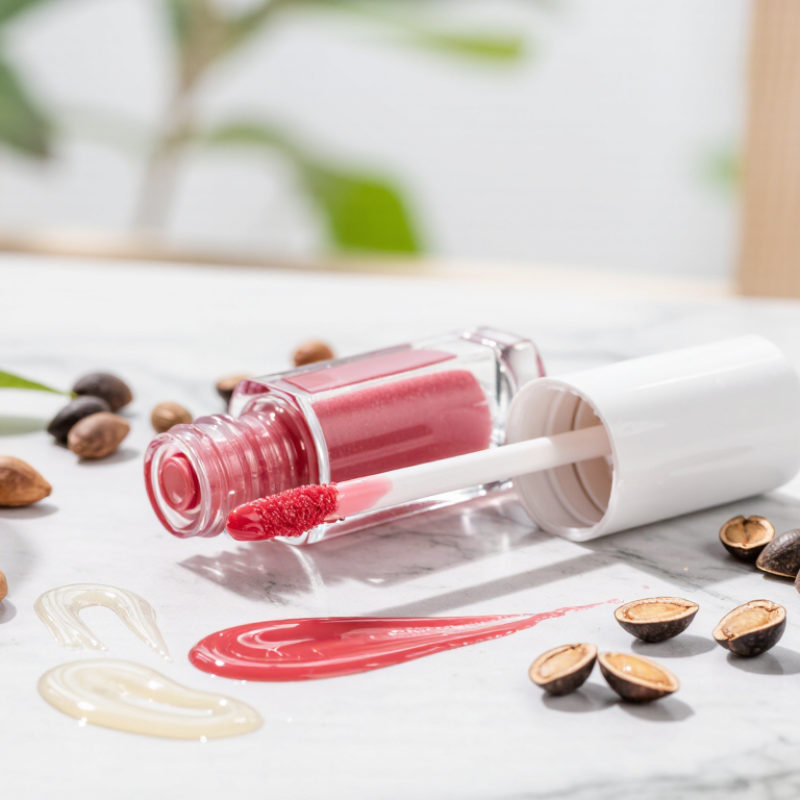
Lip gloss feels sticky because its formula needs grip. Film-forming polymers help color stay on the lips, while oils create shine. Waxes add body, but they can increase drag and stringiness. Humectants may also attract moisture from the air. High humidity often makes this sensation worse.
I used to blame the applicator. That was only partly right. A thick formula, layered over balm, usually causes more tack than the wand itself. In wear tests, one thin coat felt lighter than two heavy coats, even when both looked equally glossy. Skin preparation matters too. Dry flakes create friction and make gloss feel uneven.
Grand View Research valued the global color cosmetics market at about 80.5 billion dollars in 2023. Its data shows strong demand for makeup innovation, but market growth does not prove every formula feels comfortable. Ingredient balance still matters. A gloss can look luxurious and remain unpleasantly tacky. That is an imperfect trade-off worth questioning.
Tips: Exfoliate gently, then apply a very thin layer of lip balm. Wait several minutes before adding gloss. Press your lips once with tissue, but do not rub. Apply gloss mainly to the center of the lips. Avoid layering over oily products, which can increase movement and stickiness. A small amount of translucent setting powder around the lip line may reduce transfer, though it can dull the finish.
How to Choose a Less-Sticky Lip Gloss Formula
What Is the Best Way to Keep Lip Gloss From Being Sticky?
How to Choose a Less-Sticky Lip Gloss Formula
A less-sticky gloss usually starts with its formula, not a clever application trick. Look for descriptions such as lightweight, smooth, gel-like, or low-tack. These textures often feel more comfortable than thick, syrupy formulas. Ingredient lists may include lightweight emollients and film-formers that help create shine without excessive drag. However, ingredient names alone cannot predict the final feel. Texture matters most.
When testing a gloss, swipe a small amount across your inner wrist. Move your skin gently and notice whether the product pulls, strings, or settles heavily. I also test it outdoors, where wind quickly reveals unwanted stickiness. A comfortable formula should feel flexible rather than glue-like. It should spread evenly with one thin layer. Less is more.
Avoid formulas that feel overly dense before applying them to your lips. Thick waxes and highly viscous oils can increase staying power, but they may also attract hair and dust. I sometimes choose a glossy formula for its shine, then regret it after a windy walk. That experience taught me to value comfort over maximum gloss. If your lips are dry, apply a light, fragrance-free balm first, let it absorb, and then use a small amount of gloss. Stop using any product that causes burning, swelling, or persistent irritation.
How to Prepare Your Lips Before Applying Gloss
Lip gloss feels less sticky when the lips are smooth, clean, and lightly hydrated. I used to apply gloss over dry flakes, hoping its shine would hide them. It only made the texture more noticeable. Now, I gently wipe my lips with a soft, damp washcloth. I avoid harsh scrubs because tiny cracks can increase irritation and make gloss feel uncomfortable.
Keep the pressure light. Very light. After wiping, I apply a thin layer of fragrance-free lip balm and wait several minutes. Then I blot away the extra with tissue. Thick balm left underneath can mix with gloss and create a heavier, tackier layer. This small pause makes a real difference.
Before applying gloss, check the lip surface in natural light. If it looks wet from leftover balm, blot again. If the lips sting or feel raw, skip exfoliation and let them recover. I sometimes forget this when I am rushing, and the result is never as smooth. A clean lip pencil can also define the edges, but it should not replace basic moisture. Apply a small amount of gloss to the center first, then spread it outward. Less product usually means less stickiness. Avoid licking your lips, since saliva dries quickly and can leave the surface rough.
How to Apply Lip Gloss Without Excess Stickiness
What Is the Best Way to Keep Lip Gloss From Being Sticky?
How to Apply Lip Gloss Without Excess Stickiness
A clean, lightly moisturized lip usually gives better control. Apply a thin layer of balm, then wait a few minutes. Press a tissue over your lips to remove extra oil. This small step helps gloss sit on the surface instead of sliding around. If your lips feel dry, do not skip moisture completely. Excess balm, however, can make the finish slippery and heavy.
Use the gloss applicator only on the center of your upper and lower lips. Then spread the product outward with a fingertip or a small lip brush. One light layer is usually enough. Avoid coating the inner lip area, where product gathers and transfers easily. Keep your mouth relaxed while applying. Press your lips together gently once. Do not rub them repeatedly.
A matching lip liner can create a cleaner edge and reduce movement. Choose a smooth, non-waxy formula, then blur the line slightly inward. If your hair keeps touching your lips, tie it back or use less gloss near the corners. I used to add more gloss when the finish felt uneven, but that often increased the stickiness. Removing a little product worked better. Results can vary with humidity, lip texture, and the gloss formula, so test a small amount before building coverage.
What Is the Best Way to Keep Lip Gloss From Being Sticky? – How to Apply Lip Gloss Without Excess Stickiness
| Application Factor |
Recommended Practice |
Practical Amount or Timing |
Effect on Stickiness |
Helpful Notes |
| Start with clean lips |
Remove food, oil, and loose flakes before applying gloss. |
Before every application |
High reduction |
Oil and residue can make gloss feel heavier and move unevenly. |
| Gently smooth dry areas |
Use a damp washcloth or a soft lip brush with light pressure. |
About 10–15 seconds |
Moderate reduction |
Avoid aggressive scrubbing, which may cause irritation and more dryness. |
| Use a thin lip-care layer |
Apply a small amount of lightweight lip balm, then allow it to settle. |
Wait 3–5 minutes |
Moderate reduction |
Blot excess balm before gloss; too much emollient can increase sliding. |
| Control the gloss quantity |
Wipe one side of the applicator on the tube opening before use. |
1 thin coat |
Very high reduction |
Excess product is the most common controllable cause of a heavy, tacky feel. |
| Apply mainly to the center |
Place most of the product at the center of the upper and lower lips. |
Center-focused application |
High reduction |
Keeping the edges thinner can reduce transfer and hair-to-lip contact. |
| Press lips together lightly |
Close the lips once or twice to distribute the gloss evenly. |
1–2 gentle presses |
Low to moderate reduction |
Do not rub repeatedly, as friction can gather product in the lip lines. |
| Blot strategically |
Touch a tissue to the inner lip area to remove excess product. |
One light blot |
High reduction |
A light blot preserves shine better than pressing the tissue firmly over the whole mouth. |
| Choose a suitable finish |
For less tack, select a lightweight, non-stringy, or gel-based formula. |
Check the product texture |
Formula-dependent |
Very thick or long-wear glosses may feel stickier by design. |
| Refresh with small touch-ups |
Add gloss only where shine has faded instead of applying a full second coat. |
As needed; thin layers |
Moderate reduction |
Layering a full coat can increase buildup, transfer, and tackiness. |
Practical results vary with lip condition, formula texture, weather, and how much product is applied.
How to Reduce Stickiness Throughout the Day
What Is the Best Way to Keep Lip Gloss From Being Sticky?
How to Reduce Stickiness Throughout the Day
Lip gloss feels sticky when too much product sits on the lip surface. Start with clean, dry lips and apply a thin coat. Focus on the center, not the corners. Press your lips gently over a tissue for two seconds. This removes excess oil without flattening the shine. Small changes matter. Avoid applying heavy balm underneath. Its oils can make gloss slide and collect around the mouth. A lightweight, fragrance-free lip conditioner works better when lips feel dry.
Circana reported that U.S. prestige makeup sales increased in 2023, with lip products among the strongest categories. Grand View Research estimated the global lip gloss market at approximately USD 3.4 billion in 2023.
These figures show continued demand, but wear comfort still depends on application and environment. In humid weather, use less gloss and keep hair away from your face. After coffee or lunch, blot rather than rubbing your lips. Reapply only to the center. A small lip brush can spread the product more evenly. I still overapply before long meetings, and the result becomes tacky quickly. That mistake is easy to repeat. A clean tissue, a smaller amount, and a five-minute wear check can reveal whether the formula suits your routine.
Conclusion
Keeping lip gloss comfortable starts with understanding why it feels sticky. Glosses with a high concentration of thick oils, waxes, and film-forming ingredients tend to cling to the lips and attract hair or dust. To learn how to keep lip gloss from being sticky, choose a lightweight, non-tacky formula and avoid applying too much product at once. A gloss with a smooth, thinner texture can provide shine without creating a heavy coating.
Before application, gently exfoliate dry flakes, apply a small amount of lip balm, and allow it to absorb fully. Then use a thin layer of gloss, concentrating it on the center of the lips rather than the edges. Blot lightly if necessary, and remove excess product from the applicator before applying. Throughout the day, press the lips with a tissue instead of adding repeated layers, and smooth away buildup with a clean fingertip. These simple steps can help maintain shine while reducing unwanted stickiness.
