Learning how to do the clean girl makeup look with full coverage begins with a realistic goal. Full coverage does not need to look thick, flat, or mask-like. The finish should resemble smooth, healthy skin under soft daylight. Makeup artist and beauty entrepreneur Bobbi Brown has often said, “The best makeup is the makeup that looks like you.” That idea remains useful here. Your features should stay visible.
This guide focuses on practical control. Start with moisturized skin, then allow the product to settle. Apply foundation in small amounts, concentrating coverage around redness, blemishes, and uneven tone. A damp sponge can soften edges around the nose and jaw. Use a precise concealer brush for stubborn areas. Choose a natural-looking shade carefully. Test it along the jawline, not only on your hand. The wrong undertone can make even excellent makeup appear artificial.
Keep the rest polished but restrained. Brush brows upward, curl the lashes, and add soft cream blush near the cheeks. A thin layer of powder can reduce shine without flattening the complexion. Do not chase perfection. Texture will remain. Some areas may crease. That is normal skin behaving normally. I have found that checking the result after ten minutes reveals more than judging it immediately. If the base feels heavy, remove a little rather than adding more. Clean tools, suitable formulas, and patient blending matter as much as coverage. This approach supports a refined finish while respecting individual skin types, routines, and comfort.
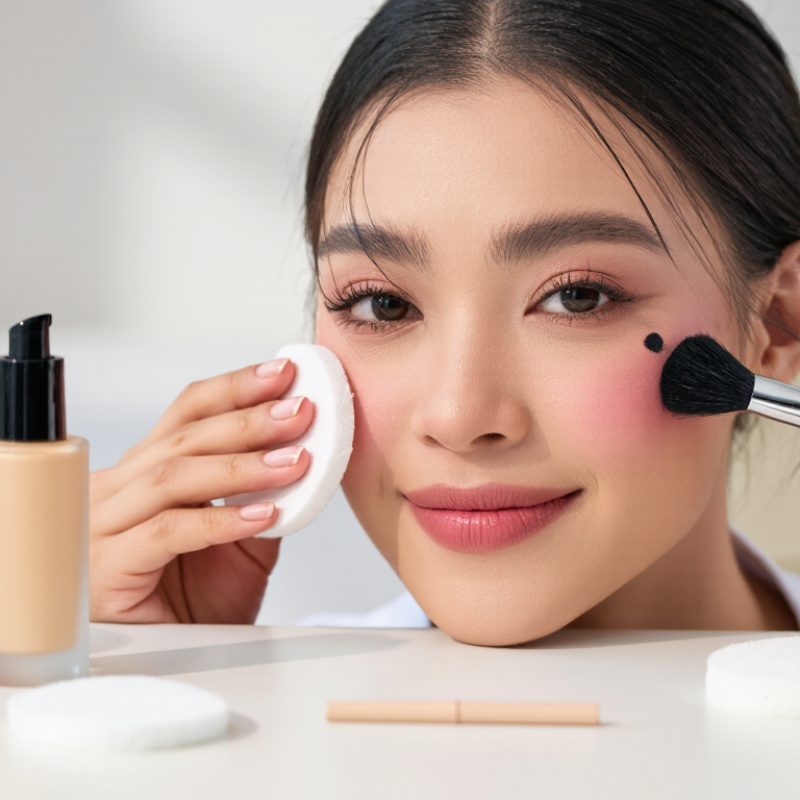
A smooth base begins before foundation touches your face. I cleanse gently, then pat my skin dry instead of rubbing it. A 2024 report from Cosmetics Europe recorded approximately €88 billion in European cosmetic sales during 2023. That scale reflects how seriously consumers now examine skincare and makeup performance.
I apply a light moisturizer to slightly damp skin, concentrating on my cheeks and around my nose. Then I wait two minutes. Let it settle. The American Academy of Dermatology recommends broad-spectrum SPF 30 or higher during daytime exposure. I use sunscreen after moisturizer, allowing it to form an even film before makeup. Too many layers can create pilling, especially over dry patches. I still make that mistake when I rush.
Full Coverage For full coverage with a clean finish, I press a small amount of gripping primer onto the center of my face. I avoid coating every pore. Next, I place foundation only where redness or uneven tone needs correction, using a damp sponge around the nose and jaw. Circana’s 2024 beauty reporting identified complexion makeup as a significant part of prestige beauty performance, but sales data cannot guarantee a flawless result on every skin type. Skin texture remains visible. That is normal.
I let each layer rest for about thirty seconds, then add concealer sparingly. A thin veil of translucent powder controls shine across the forehead, while cream remains on the cheeks. The finish looks fresher when I stop correcting every tiny detail.
A clean girl makeup look can still include full coverage. The difference lies in how you apply it. I learned this after repeatedly creating a heavy, uneven base. Thin layers look more natural and wear better throughout the day.
Start with clean, moisturized skin, then allow your skincare to settle. Apply a small amount of foundation to the center of your face. Use a damp sponge or dense brush to press it outward. Keep each layer sheer. Do not drag the product across the skin. Let the first layer rest for a minute before checking your coverage. Add another thin layer only where redness or discoloration remains, such as around the nose, chin, or cheeks. Your skin should still look like skin.
Use gentle tapping motions near the eyes and hairline. These areas collect excess product quickly. Check your face beside a window, not only under bathroom lighting. I sometimes notice texture later because I rushed this step. That mistake reminds me to use less product, not more. If one spot looks thick, soften its edge with a clean sponge. Finish with minimal powder on the forehead, nose, and chin. Leave the cheeks slightly fresh for a balanced, polished finish.
Apply full-coverage foundation in thin, even layers. Build coverage gradually instead of applying one thick layer, allowing each layer to remain lightweight and natural-looking.
The coverage index is normalized to a four-layer application plan: each additional thin layer increases coverage while helping maintain an even finish.
Full coverage does not require a thick, mask-like layer. Start with clean, moisturized skin, then wait a few minutes before applying makeup. This helps prevent slipping around dry patches. I use a small, flat brush to place concealer directly over redness or blemishes. Tap the edges gently, but leave the center covered. Rubbing usually removes the product.
For the under-eye area, choose a lightweight concealer slightly brighter than your natural skin tone. Apply three small dots from the inner corner toward the center, where darkness often appears strongest. Blend upward with a damp sponge or your ring finger. Keep the outer corner almost bare. Too much product there can collect in fine lines. A tiny amount of setting powder helps, especially in humid weather.
The finish should look even, not frozen. I sometimes add too much concealer while chasing perfect coverage, and the result looks heavier by midday. That is worth noticing. Let a stubborn blemish show a little rather than repeatedly layering over it. Set only the areas that crease or become oily, using a soft pressing motion. Wash brushes regularly, avoid applying makeup to broken or irritated skin, and stop if stinging develops. Natural-looking skin still has texture.
A full-coverage clean girl look depends on fresh skin, not a thick mask. McKinsey’s 2023 beauty report projects the global beauty market may reach $590 billion by 2030. That growth reflects stronger demand for effective, wearable routines. Start with moisturized skin and wait two minutes before applying makeup. Use a damp sponge to press foundation across the center of the face. Keep the outer cheeks lighter. This preserves natural dimension.
Set only where movement happens. Press finely milled powder around the nose, beside the mouth, and across the center forehead. Leave the upper cheeks softly luminous. Circana’s 2024 U.S. prestige beauty data showed makeup sales continued growing, with complexion products supporting everyday, polished routines. The practical lesson is simple: coverage should look flexible, not frozen. A small, tapered brush gives better control than coating the entire face evenly.
Mist lightly from arm’s length, then press the surface with clean palms. Avoid rubbing. I still sometimes over-powder my chin, especially under bright bathroom lighting. It looks smooth there, but dry later. That mistake matters. Check the complexion near a window after ten minutes. If texture appears, tap on a pinhead of moisturizer instead of adding more makeup. Keep a little skin visible around the temples and jawline. Freshness comes from restraint.
| Step | Makeup Stage | Application Data | Technique | Coverage Goal | Finish Control | Recommended Setting Time |
|---|---|---|---|---|---|---|
| 1 | Skin Preparation | 1–2 minutes | Apply a light moisturizer evenly, concentrating on dry areas. Allow it to absorb before applying complexion products. | Creates a smooth base without adding visible coverage. | Natural and hydrated | Wait approximately 2–3 minutes after moisturizing. |
| 2 | Primer Placement | Pea-sized amount | Press a thin layer onto the center of the face and areas where makeup tends to separate. Avoid applying a heavy layer everywhere. | Improves the appearance of texture and helps foundation apply more evenly. | Smooth, not greasy | Allow 30–60 seconds for the primer to set. |
| 3 | Color Correction | 1 small dot per area | Use a minimal amount only on visible discoloration, redness, or dark under-eye areas. Tap the edges to blend without spreading the product too far. | Reduces the amount of full-coverage foundation needed. | Thin and seamless | Let the corrected areas rest for about 30 seconds. |
| 4 | Full-Coverage Foundation | 1 pump for the first layer | Place small dots across the forehead, cheeks, nose, and chin. Blend from the center outward with a damp sponge or dense brush. | Builds an even base while keeping the outer face lighter. | Fresh satin | Pause 60–90 seconds before adding more product. |
| 5 | Targeted Layering | Half-pump maximum | Apply a second thin layer only to blemishes, redness, or uneven areas. Tap rather than swipe to preserve the first layer. | Provides high coverage where needed without creating a thick full-face layer. | Even and skin-like | Wait 1 minute before concealer. |
| 6 | Concealer | 1–2 small dots per eye | Place concealer at the inner corner and the darkest area beneath each eye. Blend outward with a small brush or fingertip. | Brightens the eye area without forming a heavy triangle of product. | Bright and flexible | Allow 30 seconds before setting. |
| 7 | Cream Blush and Contour | 1–2 small dots per cheek | Tap cream products onto the high points of the cheeks and blend upward toward the temples. Use a light hand around the nose and jaw. | Adds dimension without disturbing the coverage underneath. | Soft and diffused | Blend immediately while the product remains workable. |
| 8 | Strategic Powder Setting | Thin veil; about 1–2 g for the face | Use a small fluffy brush or puff to press powder onto the under-eyes, sides of the nose, forehead, and chin. Leave the cheekbones lightly powdered. | Sets areas prone to creasing or shine while preserving movement elsewhere. | Soft matte in the T-zone | Press and leave for 1–2 minutes before lightly dusting away excess. |
| 9 | Finishing Mist | 2–4 sprays | Hold the mist approximately 20–30 cm from the face and spray in an even cross pattern. Do not saturate the skin. | Helps reduce a visibly powdery appearance and visually melds the layers. | Fresh and natural | Allow 1–2 minutes to air-dry without touching the face. |
| 10 | Clean Girl Detail Balance | 5–10 minutes total | Comb brows upward, apply a soft neutral eye look, curl lashes, and choose a sheer or softly tinted lip. Keep edges polished and colors understated. | Balances the complexion without competing with the fresh skin finish. | Minimal and polished | Check the complexion in natural light before leaving. |
Full coverage does not have to erase your natural features. For a clean girl look, I prepare the skin with moisturizer and a thin layer of smoothing primer. I wait a few minutes before applying complexion products. This helps prevent patchiness around the nose and mouth. I press coverage onto redness with a damp sponge, rather than spreading it everywhere. A thin layer looks more believable. More product comes only where needed. I use a small brush around blemishes and tap the edges until they disappear softly. The center of the face stays polished, while the cheeks retain a little real texture. Check the finish in daylight.
Natural definition keeps full coverage from looking flat. I brush the brows upward, then fill only visible gaps with tiny hairlike strokes. A neutral cream contour under the cheekbones adds shape without creating a sharp stripe. I blend it toward the ears and stop before reaching the center of the face. Soft brown shadow along the lash line gives quiet depth. Cream blush placed high on the cheeks brings back warmth after concealing redness. I prefer muted peach or rose tones for an understated effect. A little shine on the cheekbones can mimic healthy skin.
My technique is not always perfect. Sometimes I overblend the blush and lose the shape I wanted. When that happens, I add a small amount again with my fingertip. Natural definition should look touched by real life, not carefully painted into place. Keep the finish comfortable enough to move, smile, and show expression.
Cleanse gently and pat your face dry. Apply light moisturizer to damp skin, especially around your cheeks and nose. Wait two minutes. Add broad-spectrum SPF 30 or higher during daytime exposure. Too many layers may pill. I still rush sometimes.
Press a small amount onto the center of your face. Avoid coating every pore. This keeps the base lighter and reduces buildup. Less works better.
Apply thin, even layers. Start at the center, then press outward with a damp sponge or dense brush. Do not drag. Add coverage only around redness or uneven tone. Your skin should remain visible.
Let skincare settle before applying complexion products. Rest each foundation layer for about thirty seconds to one minute. Check coverage before adding more. Rushing can create uneven texture.
Focus on the nose, chin, cheeks, jaw, and visible blemishes. Use a small brush for precise spots. Tap the edges softly until they blend. Do not cover every tiny mark.
Use gentle tapping motions in those areas. They collect makeup quickly. Remove excess with a clean, damp sponge. Check beside a window. Bathroom lighting can mislead you.
Use translucent powder sparingly on the forehead, nose, and chin. Leave the cheeks slightly fresh. Cream blush can restore warmth. Too much powder removes natural dimension.
Brush brows upward and fill only visible gaps. Use tiny hairlike strokes. Add soft, neutral contour under the cheekbones, blending toward the ears. Place muted cream blush high on the cheeks. Stop before the look becomes too precise.
Soften thick areas with a clean, damp sponge. Do not immediately add more product. I sometimes overblend blush and lose its shape. A fingertip can gently restore color. Perfect correction is not always necessary.
Learning how to do the clean girl makeup look with full coverage begins with thoughtful skin preparation. Start by cleansing, moisturizing, and allowing skincare to absorb fully so the complexion feels smooth and comfortable. Apply a lightweight primer if needed, then work full-coverage foundation into the skin in thin, even layers. Building coverage gradually helps prevent a heavy appearance while creating a polished, long-lasting base. Use concealer only where extra correction is needed, such as on blemishes, redness, or dark circles, and gently brighten the under-eye area without applying too much product.
To keep the complexion fresh, lightly set areas prone to shine with a finely pressed powder, leaving the rest of the skin natural and softly luminous. Complete the clean girl look with subtle definition: softly groomed brows, a neutral wash of color on the eyes, gently curled lashes, a natural flush on the cheeks, and a simple tinted lip. The overall result should look refined, balanced, and effortless while still providing dependable coverage.
