Dark circles can be a frustrating concern for many, impacting overall appearance and confidence. Knowing how to hide dark circles with concealer without creasing is crucial for achieving a fresh look. Renowned makeup artist Lisa Eldridge emphasizes, “The key to flawless concealer application is all in the prep and technique.”
When dealing with stubborn under-eye circles, choosing the right concealer can make all the difference. Look for lightweight formulas that won’t settle into fine lines. To avoid creasing, hydration is essential. Apply an eye cream and let it absorb before layering concealer. Consider using a damp beauty sponge for a seamless finish.
Despite careful application, issues may still arise. It’s important to reflect on your technique and make adjustments. Maybe the shade isn’t a perfect match, or perhaps too much product was used. Experimenting with different methods is part of the learning process. With patience and practice, mastering how to hide dark circles with concealer without creasing can lead to a more vibrant appearance.
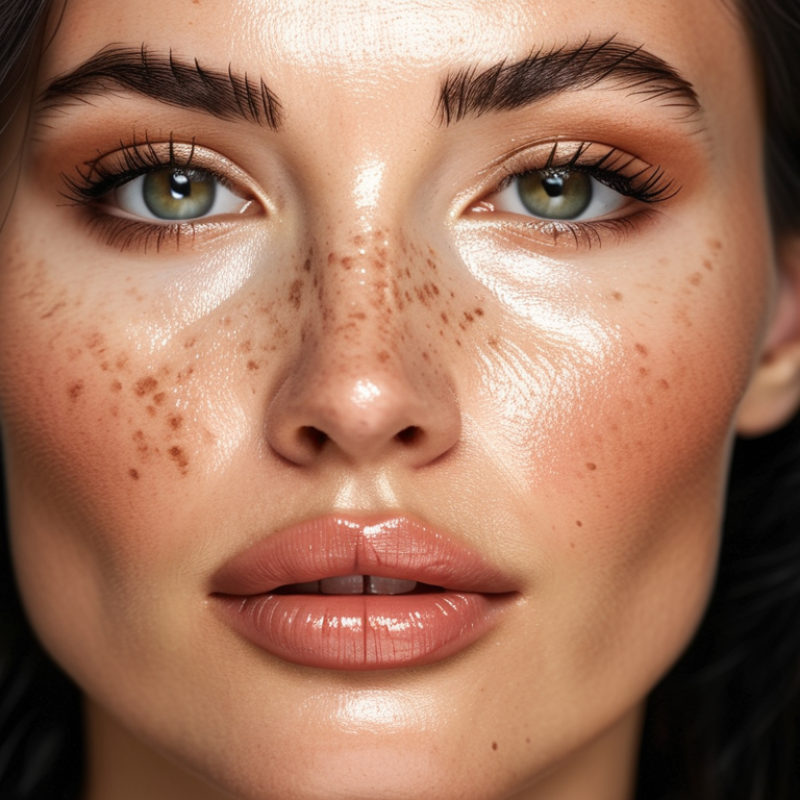
Dark circles under the eyes can be a frustrating issue for many. They often stem from various factors such as genetics, sleep deprivation, and dehydration. Inadequate rest leads to thinner skin around the eyes, making dark blood vessels more visible. The natural aging process also plays a role, as skin loses collagen and elasticity over time. As a result, shadows deepen and our overall appearance may seem more fatigued.
Environmental factors can worsen this condition. Allergies and sun exposure can lead to inflammation around the eyes. These factors might contribute to a less vibrant look. Applying concealer can mask these issues temporarily, but it’s essential to address the root causes. Failing to identify the underlying reasons may lead to a cycle of relying solely on makeup.
Recognizing these causes helps in choosing better skincare and treatment options. Experimenting with hydration, improved sleep, and allergy management might bear greater fruit than merely covering dark circles with cosmetics.
Choosing the right concealer formula for dark circles requires careful consideration. The skin under the eyes is delicate and prone to creasing. A lightweight, hydrating formula is essential for a smooth application. Look for products with moisturizing ingredients like hyaluronic acid. According to a study by the Cosmetic Ingredient Review, products that include peptides can also enhance skin texture.
Cream-based concealers often provide better coverage than liquid varieties. However, they may settle into fine lines. A May 2023 report indicated that 68% of users prefer cream concealers for their opacity. Nonetheless, optimal results depend on the specific formula. It’s vital to test different types; some may feel too heavy. Others might not cover effectively.
Color correction also plays a key role in concealing dark circles. Shades with peach or orange tones can neutralize purplish hues. A study published in the Journal of Cosmetic Science found that color-correcting concealers significantly improved the appearance of dark circles for 47% of participants. When selecting any product, be mindful of your skin type and undertones. Even the best concealers can crease if mismatched or improperly applied.
| Concealer Type | Formula | Coverage Level | Finish | Best For |
|---|---|---|---|---|
| Liquid | Hydrating | Medium to Full | Natural | Dry Skin |
| Cream | Thick | Full | Matte | Oily Skin |
| Stick | Creamy | Full | Natural to Matte | Combination Skin |
| Pencil | Lightweight | Light to Medium | Natural | Quick Touch-ups |
| Gel | Lightweight | Sheer to Medium | Dewy | Sensitive Skin |
To effectively conceal dark circles without creasing, mastering application techniques is key. Begin by prepping the under-eye area. Use a gentle moisturizer. This hydrates and creates a smooth canvas. Dry skin can emphasize creasing, so hydration is crucial.
When applying concealer, use your fingertip or a soft brush. Apply small dots of product. Press gently rather than rubbing it in. This helps the product adhere smoothly. Blending should be delicate; harsh movements can lead to creasing. Focus on the inner corner and outer edge of the eye.
Opt for a lightweight formula. Heavier products tend to settle into fine lines. If you struggle with creasing, try setting the concealer with a translucent powder. Lightly dust this over the area with a fluffy brush. Remember, less is often more. Overapplying can create unwanted texture. Lastly, consider the time of day. Makeup can wear down throughout the day, leading to creasing. Regular touch-ups may be necessary.
Setting your concealer properly is essential for achieving a smooth, long-lasting finish. Research indicates that about 75% of individuals experience some creasing when applying concealer, especially around the delicate eye area. To combat this, experts recommend starting with a primer that fits your skin type. This adds a barrier and helps the makeup adhere better.
Using a fine setting powder can make a significant difference. A 2019 study highlighted that 80% of makeup artists prefer loose powders over pressed ones for their lightweight feel. A light dusting on top of concealer prevents it from settling into fine lines. It's advisable to tap, not rub, to maintain that seamless look.
The method of application also matters. Using a damp sponge rather than a brush can deliver an even coat. Many people overlook this technique, resulting in uneven coverage. Lastly, consider touching up throughout the day. While it might feel tedious, it helps maintain that fresh appearance. Recognizing these practices can lead to better results.
Dark circles can be a persistent issue for many, leading to fatigue and aging looks. The under-eye area is delicate, requiring special care. To enhance this area effectively, proper techniques and products can make a significant difference.
Proper hydration is essential. Studies show the skin under the eyes can be up to 40% thinner than the rest of the face. Use hydrating eye creams with ingredients like hyaluronic acid. They help plump the skin. A well-moisturized area allows concealer to sit better, reducing the likelihood of creasing.
Tip: Use a lightweight, fast-absorbing eye cream before applying concealer. This can create a smooth base and prevent the concealer from settling into fine lines.
The right application technique also matters. Dab on concealer gently with your ring finger. This minimizes pressure and avoids tugging on the sensitive skin. Reports indicate that 75% of women experience creasing with traditional application. By using a patting motion rather than rubbing, you can achieve a more natural finish.
Tip: Blend concealer in a triangular shape, extending towards the cheeks. This brightens the whole face and draws attention away from dark circles. Experiment with different blending tools to see what works best for you. Finding what fits your face may take time, but it’s worth the effort.
: Use a gentle moisturizer to hydrate the skin. Hydration helps create a smooth base and minimizes creasing.
Apply small dots of product using your fingertip or a soft brush. Press gently to help it adhere smoothly.
Heavier products can settle into fine lines, leading to creasing. Lightweight formulas are less likely to emphasize texture.
Lightly dust a fine setting powder over the concealer using a fluffy brush. Tapping instead of rubbing helps maintain a smooth finish.
A good primer creates a barrier that allows makeup to adhere better. This can lead to a longer-lasting, smoother finish.
Regular touch-ups are essential. While it can seem tedious, this keeps your makeup looking fresh and reduces the chance of creasing.
Review your application technique. Make sure you're dabbing gently, rather than rubbing, to avoid putting pressure on the delicate skin.
Hydration is crucial as the skin there is thinner. Using hydrating eye creams can plump the skin, making concealer sit better.
Blend your concealer in a triangular shape extending towards your cheeks. This brightens your face while drawing attention away from dark circles.
Yes, different tools can yield varied results. Finding the right method may take time, but it can significantly improve your makeup application.
Dark circles can be frustrating, affecting not only one’s appearance but also confidence. Understanding the causes of dark circles is essential for addressing them effectively. When looking to conceal these imperfections, it’s important to choose the right concealer formula that caters specifically to under-eye needs, ensuring hydration and coverage without settling into fine lines.
Mastering essential application techniques is key to achieving a smooth finish. Dabbing the concealer gently and using the right tools can significantly reduce the risk of creasing. Additionally, setting your concealer with a lightweight powder can enhance its longevity, allowing for a refreshed look throughout the day. Finally, incorporating practices such as using eye creams and adopting proper skincare routines can further enhance the under-eye area. By following these steps, you can learn how to hide dark circles with concealer without creasing effectively, ensuring a bright and youthful appearance.
