When considering the question, "do I really need an eye primer before eyeshadow," many makeup enthusiasts find themselves puzzled. Makeup artist and beauty expert Lisa Eldridge states, "Using an eye primer can extend the wear of your eyeshadow significantly.” This quote highlights the importance of a primer in achieving longevity and vibrancy in your eye makeup.
Eye primers create a smooth canvas. They can prevent eyeshadow from creasing or fading throughout the day. Without a proper base, your eyeshadow might not look its best. However, the necessity of an eye primer often depends on individual skin types and product choices. Some find that certain eyeshadows perform well without a primer. Perhaps it’s the formulation or the skin’s natural oils that keep it intact.
Ultimately, experimenting with or without a primer can lead to personal insights. You might discover that some days you need the extra layer, while on others, you prefer going without it. Reflecting on your experience can help you find what truly works for you in the realm of eye makeup.
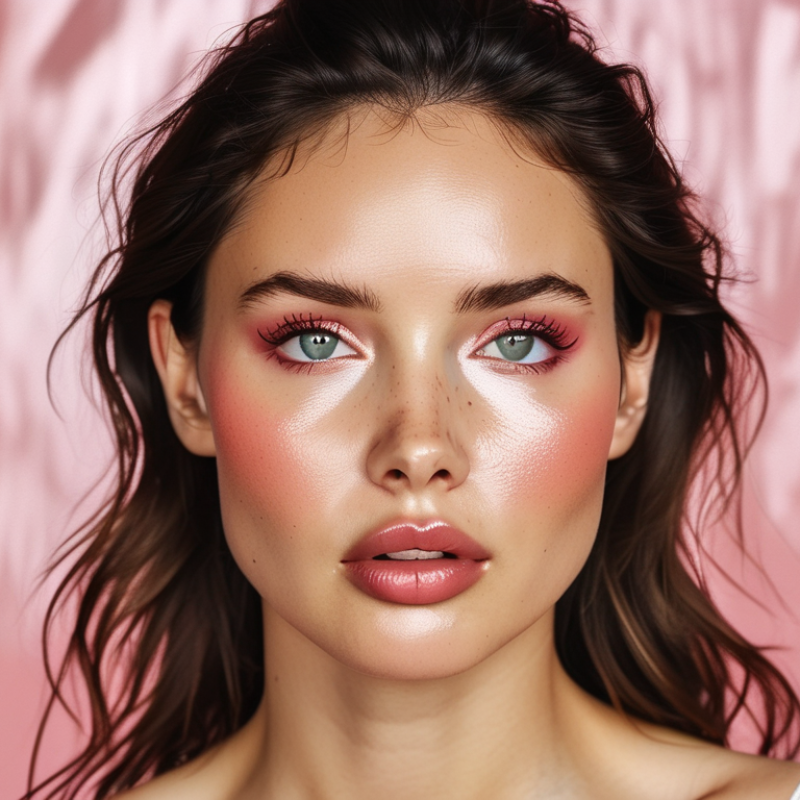
Eye primer is a specialized product designed to enhance the application and longevity of eyeshadow. It acts as a barrier between the skin and makeup, ensuring that pigments adhere better. According to the American Academy of Dermatology, a good eye primer can increase the wear time of your eyeshadow by up to 12 hours. This is essential for anyone wanting a long-lasting look without frequent touch-ups.
The function of eye primer extends beyond simple adherence. It also creates a smooth surface, minimizing the appearance of fine lines and wrinkles on the eyelid. A study published in the Journal of Cosmetic Science indicates that 70% of users reported improved blendability of their eyeshadow when using an eye primer. This can lead to a more professional, polished look.
While eye primer is not mandatory for everyone, its benefits are notable. Some may find that their eyeshadow still performs well without it. However, those with oily eyelids might struggle without a primer's oil-controlling properties. This is an important factor to consider, as each individual's skin type varies. Understanding your unique needs will guide you in deciding whether to incorporate this product into your makeup routine.
The chart above illustrates the percentage of makeup users who report longer wear of their eyeshadow when using an eye primer versus not using one. As seen, a significant majority of users (90%) suggested that using an eye primer enhances the longevity of their eyeshadow compared to just 60% for those who do not use it.
Using an eye primer before applying eyeshadow can significantly enhance your makeup look. It acts as a base, helping eyeshadows adhere better. This means your colors will appear more vibrant and last longer throughout the day. By creating a smooth canvas, eye primer helps even out skin texture, making application easier.
However, not everyone may notice a huge difference.
Another advantage of eye primer is its ability to prevent creasing. Oily eyelids often lead to eyeshadow slipping and fading. A good primer absorbs excess oil, keeping your look fresh. Some individuals might feel that the added step isn’t necessary. They may prefer a quick routine over perfecting their eyeshadow. This choice can reflect personal style and priorities.
It's also essential to choose a formula that suits your skin type. Some people find certain primers irritating. Others may deal with skin that doesn’t respond well to specific ingredients. Experimentation is key to finding what works best for you. Ultimately, while eye primer can elevate your look, it’s about what makes you feel confident and comfortable.
Choosing the right eye primer is crucial for achieving beautiful eyeshadow looks. An effective primer can enhance color vibrancy and prolong wear. According to a report from the Journal of Cosmetic Science, using an eye primer can increase the longevity of eyeshadow by up to 12 hours. This makes it essential for anyone looking for lasting results.
Consider your skin type when selecting a primer. If you have oily eyelids, a mattifying primer is beneficial. For dry skin, a hydrating formula is more appropriate. It's important to note that not every primer suits all skin types. A mismatch can lead to creasing or uneven application. Look for formulas that mention oil control or moisture balance.
Texture also plays a key role. Creamy primers provide a smooth base, while gel primers can be lightweight and quick-absorbing. It's advisable to test a small amount on your wrist. This allows you to see how it interacts with your skin. Take note of dry patches or irritation, which can indicate an unsuitable product. Choosing the right primer is about personal preference and understanding your unique needs.
When applying eye makeup, using an eye primer may enhance your look. Eye primers create a smooth canvas, allowing eyeshadow to adhere better. They can also prevent creasing and fading throughout the day. To apply, use a small amount on your eyelids and gently blend it with your fingers. This helps the product warm up and ensures an even layer.
Tips: Use minimal product to avoid heaviness. A little goes a long way. You might find that too much product can make your eyeshadow look cakey.
After the primer, choose your eyeshadow. Applying it with a flat brush can deliver more color payoff. Use a fluffy brush for blending to achieve a seamless finish. Don't rush the blending process; take your time to mix colors and soften harsh lines.
Tips: If you notice patchiness, consider reapplying primer in those areas. Experiment with your application technique to find what works best for you. Remember, makeup is an art; it’s okay to make mistakes along the way.
Eye primer often sparks debate among makeup enthusiasts. One common misconception is that eye primer is unnecessary for daily use. However, studies suggest that applying primer can significantly enhance eyeshadow performance. According to a 2021 report from the Cosmetic Science and Technology Journal, nearly 70% of users noticed improved color vibrancy and longer wear time with primer.
Another misconception is that eye primer is only for professional makeup artists. In reality, anyone can benefit from using primer. Data from a survey by Beauty Insights found that 65% of everyday users reported a more polished look when primer was included in their routine. This tool creates a smooth canvas, allowing shadows to adhere better to the skin.
Some users worry about the potential for heaviness with primer. This concern often leads to hesitation. Yet, many modern formulations are lightweight and breathable. They often include hydrating ingredients that care for the delicate skin around the eyes. While not mandatory, eye primer can address issues like creasing and fading.
| Misconception | Truth |
|---|---|
| Eye primer is only for professional use. | Eye primer is beneficial for everyone, enhancing longevity and vibrancy of eyeshadow. |
| Using eye primer is always necessary. | It's not mandatory but can greatly improve eyeshadow performance, especially for oily lids. |
| All eye primers are the same. | Different primers cater to different skin types and desired effects; it's key to choose the right one. |
| Eye primer can make eyeshadow look cakey. | When applied correctly, it actually helps achieve a smoother application and finish. |
| You can't use eye primer with cream eyeshadows. | Primer can still be effective under cream shadows, enhancing their wear time. |
: Eye primer helps eyeshadows adhere better and makes colors more vibrant. It also extends the wear of your makeup.
It creates a smooth canvas, evening out skin texture for easier application.
Yes, it absorbs excess oil, preventing fading and creasing, especially on oily eyelids.
Some people skip it for a quicker routine, but it can enhance the overall look.
Use a small amount and blend gently with your fingers for an even layer.
Use minimal product; a little goes a long way to avoid a cakey appearance.
Use a flat brush for color payoff and a fluffy brush for blending for a seamless finish.
Reapply primer in those areas and experiment with your application technique.
Yes, some individuals may find certain formulas irritating. It’s essential to choose one that suits your skin type.
Absolutely! Makeup is an art, and mistakes are part of the learning process.
When considering "do I really need an eye primer before eyeshadow," it’s essential to understand what eye primer is and its role in makeup. Eye primer is a product applied to the eyelids prior to eyeshadow application, designed to enhance the longevity, vibrancy, and adherence of the eyeshadow. By using an eye primer, you can benefit from a smoother canvas, reduced creasing, and improved color payoff, making your eye makeup look more polished.
Choosing the right eye primer depends on your skin type and desired makeup effect, with options ranging from tinted primers to those with a transparent finish. Proper application techniques are crucial for maximizing the effectiveness of both the primer and the eyeshadow. Finally, it’s important to dispel common misconceptions, such as the belief that eye primer is unnecessary for casual looks. Ultimately, for those looking to enhance their eyeshadow application and overall makeup longevity, eye primer is a valuable addition to their routine.
