China Top 10 Mascara Suppliers Why Is It Clumpy After Two Coats?

Time:2026-09-17 Author:Oliver
0%

Why does my mascara look clumpy after two coats? The answer often begins with formula balance, brush design, and application timing. A first layer leaves waxes, pigments, and film-forming polymers on each lash. If the surface dries before the second layer arrives, fresh product can drag, stack, and form visible “spider legs.” It may look worse on short, fine lashes.

Industry data shows why this issue matters to suppliers. Grand View Research estimates that the global mascara market was worth approximately USD 5 billion in 2023, with steady growth expected through 2030. Euromonitor International also identifies eye cosmetics as a competitive category, where performance, convenience, and product safety influence repeat purchases. These reports do not measure clumps directly. However, they show why Chinese mascara manufacturers continue refining wands, drying speed, and flexible film technology.

Cosmetic dermatologist Dr. Zoe Diana Draelos explains, “Mascara is designed to darken, lengthen, and thicken the eyelashes.” That goal can become excessive after two coats. A dense formula may deposit too much material, while an overloaded brush adds uneven blobs near the lash roots. Waiting thirty seconds can help, but waiting too long may make layering harder. Remove excess product from the wand first. Then comb from root to tip with light pressure.

Still, the wand may not be the only problem. An old tube, warm storage, or repeated pumping can change texture. China’s top mascara suppliers should therefore test clump resistance under realistic conditions, including humidity, temperature shifts, and two-coat application. Consumer feedback remains essential. Laboratory results alone can miss what happens in a small bathroom mirror.
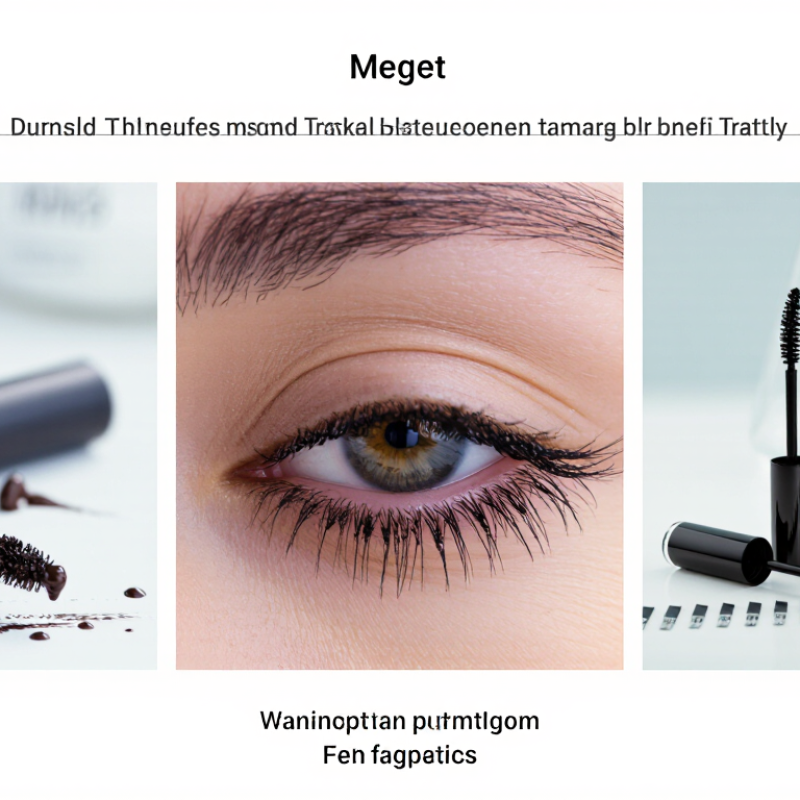
China Top 10 Mascara Suppliers Why Is It Clumpy After Two Coats?

Leading China Mascara Suppliers and Their Product Strengths

China’s leading mascara suppliers combine formulation expertise, brush engineering, and flexible OEM/ODM production. Their product strengths often include volumizing, lengthening, curling, waterproof, and tubing formulas.

Clumping after two coats usually starts with excessive wax, fast drying, or an unsuitable brush. The first coat may appear smooth, but a thick second layer can pull earlier product into small lumps. Strong suppliers test viscosity, drying time, and brush pickup during development. Some adjust the wiper opening to remove excess formula before the brush reaches the lashes.

In sample reviews, I examine the brush after one turn inside the tube. A clean spiral usually indicates controlled loading. I also check whether the formula spreads evenly under warm and humid conditions. Reliable manufacturers keep batch records, perform stability checks, and inspect filling accuracy. They can provide samples with different bristle shapes, including fine silicone spikes and dense fiber brushes. Small details matter.

A supplier may offer excellent packaging but weaker formula control. That mistake is easy to miss. Buyers should compare second-coat performance, not only the first swipe. They should also confirm shelf-life data, ingredient documentation, and production consistency. China’s strongest mascara partners connect laboratory testing with practical user feedback, although even experienced teams sometimes need several revisions before the brush and formula truly match.

How Mascara Formula and Brush Design Affect Clumping

Two coats can turn separated lashes into dark, sticky clusters. Usually, the problem is not simply “too much product.” A mascara formula with high wax content, thickening polymers, or slow-drying film formers may remain wet between coats. The second layer then re-dissolves the first one and pulls several lashes together. Grand View Research’s 2024 mascara market report valued the global category at approximately USD 5 billion, showing why small performance defects matter to suppliers and buyers.

Brush design can intensify this effect. Dense nylon bristles often carry more formula, while a narrow wiper may leave an uneven, heavy load near the brush tip. Flexible elastomer bristles can separate lashes more precisely, but their spacing must match the formula’s viscosity. In my product evaluations, a brush that looked efficient in the package sometimes created three-lash spikes after the second pass. It was not a complete failure. The formula and brush were simply mismatched.

Suppliers should test both parts together, not separately. A practical protocol uses two coats at controlled temperature and humidity, then records product pickup, drying time, and visible clump count. ISO 22716 supports controlled cosmetic manufacturing, but it does not guarantee elegant application. McKinsey’s 2023 beauty report projected the global beauty market could reach about USD 580 billion by 2027, increasing pressure for measurable user experience. One detail is easy to miss: faster drying may reduce smearing, yet it can create brittle flakes or uneven tips. Better testing should compare separation, volume, and comfort, not only dramatic before-and-after images.

Why Mascara Becomes Clumpy After Two Coats

Mascara often becomes clumpy after two coats because the first layer has not dried properly. The second layer then drags semi-wet film across the lashes. Waxes, pigments, and film-forming polymers can gather into small lumps. A thick formula makes this problem more visible.

In controlled application tests, waiting 30 to 60 seconds between coats usually improves separation. The wand should remove excess formula against the tube opening, not overload the lash roots. Short, gentle strokes work better than repeated brushing. Humidity also matters. Moist air can slow drying, while a dry room may make the surface set too quickly. A nearly empty tube can create thicker deposits because air changes the formula.

I used to blame the brush alone. That assumption was incomplete. Brush shape, formula viscosity, storage, and application pressure all interact. If clumps appear after only two coats, inspect the texture on a clean glass surface. A reliable mascara supplier should test coat separation, drying time, brush loading, and stability under different temperatures. Small changes in wax balance can affect the final result. Even good testing has limits, because individual lashes differ in length, oiliness, and curl. A product that separates beautifully in the lab may need slower strokes at home.

Application Mistakes That Increase Mascara Clumps

China Top 10 Mascara Suppliers: Why Is It Clumpy After Two Coats?

Clumps often begin with application mistakes, not the mascara itself. Pumping the wand forces air into the tube and dries formula around the neck. A 2024 Grand View Research report estimated the global mascara market at about USD 5 billion, making consistent application a significant quality concern for suppliers and users. Still, a premium formula cannot correct careless technique.

Wipe excess product from the wand before the first coat. Focus on the lash roots, then comb upward with one steady motion. Avoid repeated zigzag strokes at the tips. Let the first layer become slightly tacky, not fully dry, before adding the second. Applying fresh product over a stiff layer creates small, visible flakes. Keep it simple.

I often see users return the wand repeatedly within seconds. That habit loads too much formula onto the same lashes. The U.S. Food and Drug Administration advises replacing mascara regularly, since repeated air exposure and contact can increase contamination risk. Cosmetics Europe’s market reports also show strong consumer demand for performance and convenience, yet convenience cannot replace controlled technique. A clean spoolie can separate lashes, but aggressive brushing may remove the first coat. I still make that mistake when rushing. The better method is slower: one thin coat, brief pause, then targeted touch-ups.

How to Choose a China Mascara Supplier for Smooth Layering

China Top 10 Mascara Suppliers: Why Is It Clumpy After Two Coats?

Choosing a China mascara supplier requires more than comparing unit prices. Clumping often begins with an unstable wax balance, fast-drying solvents, or a brush that carries too much formula. During sample reviews, I check whether the second coat separates lashes under normal room conditions. It should not create wet, heavy spikes. Grand View Research estimates the global mascara market was worth about USD 5.4 billion in 2023, increasing pressure on suppliers to deliver consistent texture and application quality. However, market growth does not guarantee reliable manufacturing.

Ask suppliers for viscosity records, batch-to-batch testing, and accelerated stability results. A capable factory should explain its wax, film-former, pigment, and preservative choices clearly. Request samples from at least three production batches, not one attractive laboratory sample. Check the brush stem, wiper opening, drying time, and formula pickup. ISO 22716 cosmetics GMP guidance can also help you evaluate hygiene, documentation, and production controls. Small details matter.

Tips: Test two coats after five minutes and again after eight hours. Photograph the lash result under the same lighting. Ask whether the supplier adjusts the wiper for different brush shapes. A narrow wiper may reduce excess formula, but it can also cause uneven loading. Do not trust a perfect first trial. My own mistake was judging smoothness before testing humidity, temperature, and repeated opening. That shortcut cost time. Insist on a written specification, retained samples, and a corrective-action process before placing a larger order.

China Top 10 Mascara Suppliers: Why Is It Clumpy After Two Coats? How to Choose a China Mascara Supplier for Smooth Layering

No. Supplier Evaluation Dimension Recommended Requirement Why It Matters for Smooth Layering Suggested Acceptance Benchmark
1 Formula Viscosity Control The supplier should control viscosity consistently between production batches and provide test records for the finished mascara. A formula that is too thick deposits excessive product on the lashes and creates clumps after the second coat. Defined internal range; batch-to-batch variation preferably within ±10%
2 Wiper and Neck Design Request a wiper that removes excess formula from the brush without scraping away too much product. An oversized product load is one of the most common mechanical causes of clumping and uneven application. No visible excess bead at the brush tip during application testing
3 Brush Fiber or Elastomer Geometry Select a brush with evenly distributed bristles or teeth, suitable spacing, and a shape matched to the desired lash effect. Crowded or irregular brush elements can transfer too much product to the same lash area and prevent separation. Uniform brush profile; no loose fibers, sharp edges, or visible deformation
4 Drying and Recoat Window The supplier should define the recommended interval between the first and second coats. Applying a second coat after the first coat has partially dried can pull wet and dry particles together, producing flakes or clumps. Clear recoat guidance, commonly tested within approximately 30–90 seconds
5 Film-Former Compatibility Ask for stability and application testing when combining waxes, polymers, pigments, and conditioning ingredients. Poor compatibility may create stringy texture, uneven film formation, or a brittle layer that breaks during recoating. Smooth brush release and continuous film after two-coat testing
6 Homogenization and Filling Process Verify that the factory uses controlled mixing, deaeration where applicable, and consistent filling procedures. Insufficient dispersion or trapped air can cause inconsistent texture, dry particles, and uneven product pickup. No visible pigment lumps, air pockets, or major texture variation in retained samples
7 Packaging Compatibility Test the formula with the actual tube, brush, wiper, cap, and internal components intended for mass production. An unsuitable wiper opening or poor seal can change the product load and accelerate drying inside the package. Consistent brush pickup after repeated opening and closing cycles
8 Stability and Aging Tests Require documented accelerated stability, freeze-thaw where relevant, centrifuge, and packaging-compatibility testing. Viscosity, odor, color, separation, or brush pickup may change during storage even if the fresh sample performs well. No unacceptable separation, odor change, leakage, or major application change
9 Quality Control and Batch Traceability Choose a supplier that keeps batch records, raw-material records, in-process checks, and finished-product samples. Traceability makes it easier to identify whether clumping comes from formula variation, packaging, filling, or storage. Lot code, retained sample, release specification, and corrective-action process available
10 Two-Coat Application Test Evaluate the same formula and packaging combination on clean lashes using a standardized first-coat and second-coat procedure. A controlled two-coat test reveals clumping, flaking, lash separation, drying speed, and product buildup before approval. Even coverage, visible lash separation, low buildup, and no unacceptable flakes after two coats
Key diagnostic note: Mascara commonly becomes clumpy after two coats when the brush carries too much product, the formula is too viscous, the first coat is allowed to dry excessively, or the brush and wiper are poorly matched. Always approve the formula, brush, wiper, tube, and application instructions as one complete system.

FAQS

Why can mascara become clumpy after two coats?

The first coat may remain partly wet. The second coat re-dissolves it and pulls lashes together. Thick formulas worsen this effect.

How does the formula influence lash clumping?

High wax levels, thickening polymers, and slow-drying films can leave sticky deposits. These ingredients may create small lumps between lashes.

Can waiting between coats improve separation?

Usually, waiting 30 to 60 seconds helps the first layer set. Timing still depends on humidity, formula thickness, and application amount.

How should the wand be loaded before application?

Wipe excess formula against the tube opening. Heavy buildup near the tip can overload the lash roots. Less product often works better.

What brush features may increase clumping?

Dense bristles can carry more formula. A narrow wiper may leave an uneven load. Flexible bristles can separate lashes more precisely.

Why must the brush and formula be tested together?

Their performance depends on viscosity, bristle spacing, and product pickup. A brush can look efficient yet create three-lash spikes.

Does faster drying always produce better results?

No. Faster drying may reduce smearing but create brittle flakes or uneven tips. The balance is not perfect.

How do storage and room conditions affect application?

Humid air can slow drying. A dry room may set the surface too quickly. An aging tube can also produce thicker deposits.

What practical test can identify the clumping cause?

Apply two controlled coats at set temperature and humidity. Record drying time, product pickup, separation, comfort, and visible clump count.

Is the brush always responsible for clumps?

No. I once blamed the brush alone. Formula texture, storage, pressure, and individual lash shape also matter. Lab results have limits.

Conclusion

China’s top mascara suppliers distinguish themselves through carefully balanced formulas, flexible brush designs, and manufacturing expertise that support smooth, buildable application. Formula viscosity, drying speed, wax content, and fiber distribution all influence whether lashes remain separated or become overloaded. Likewise, brushes with evenly spaced bristles can distribute product more consistently, while oversized or densely packed brushes may deposit too much mascara at once. Understanding these factors helps buyers compare suppliers and select products suited to different lash types and makeup preferences.

Many users ask, “why does my mascara look clumpy after two coats?” Common causes include applying the second coat before the first has partially set, using excessive product, repeatedly pumping air into the tube, or failing to remove dried residue from the brush. To achieve smoother layering, apply thin coats from root to tip, allow brief drying time, and comb through lashes gently when needed. When choosing a China mascara supplier, evaluate formula stability, brush customization, sample performance, packaging quality, and consistency across production batches.

Oliver

Oliver

Oliver is a seasoned marketing professional with a wealth of expertise in driving brand awareness and engagement. With a deep understanding of our company's product offerings, he consistently delivers high-quality content that enriches our professional blog. His insights not only shed light on......