Few beauty frustrations feel more predictable than a smooth lipstick turning dry, flaky, or cracked within an hour. If you keep asking, “why does my lipstick crack after an hour,” the problem may involve more than the formula itself. Lip dryness, uneven exfoliation, excess powder, and repeated lip movements can all disturb the finish.
I have noticed that lipstick often cracks around the center of the lower lip first. That area receives constant moisture, friction, and pressure. Matte formulas usually show the damage sooner, especially when applied over chapped skin. However, creamy lipstick can also separate when layered too heavily or applied over an incompatible balm. Small details matter.
The seven fixes in this guide focus on practical, skin-conscious solutions. They include preparing the lips gently, choosing compatible products, controlling product quantity, and setting color without creating stiffness. These recommendations reflect common makeup-artist techniques and basic cosmetic knowledge, but results can vary between people. A product labeled “hydrating” is not automatically suitable for every lip type. That assumption deserves a second look.
Before changing your entire makeup routine, observe when the cracking begins. Notice whether your lips feel tight, whether color gathers in lines, or whether flakes appear before application. A short wear test can reveal the real trigger. Patch-testing new products is also sensible, especially for sensitive skin. With the right preparation and a few careful adjustments, lipstick can remain smoother, more comfortable, and visually even for much longer.
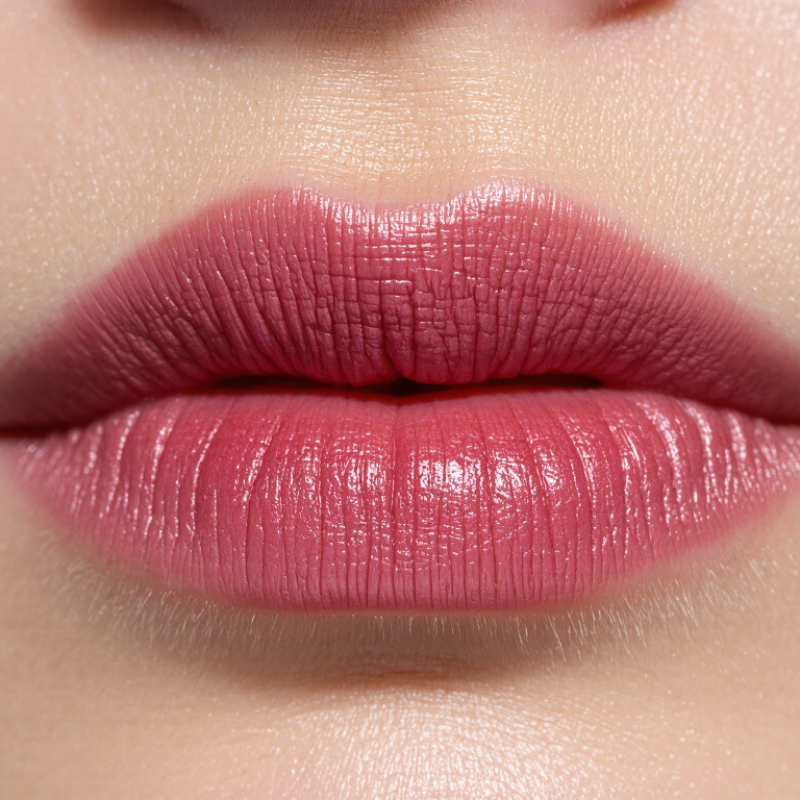
Why does lipstick crack after an hour? The usual cause is not the lipstick alone. Dry, peeling lips create an uneven surface, so color settles into tiny lines. Indoor heating, cold wind, and frequent lip licking can remove moisture quickly. A thick layer may also dry unevenly, especially around the mouth.
Oil and water balance matters. Applying color over heavy balm can make it slide, then separate as the balm fades. Directly layering several coats may create a stiff film. I have found that waiting briefly between hydration and color helps, although this timing is easy to overlook. Gentle exfoliation can smooth flakes, but aggressive rubbing may worsen irritation.
Tips: Apply a thin, fragrance-free moisturizer first. Wait five minutes, then blot lightly. Use one thin coat and press your lips together gently. Avoid licking or biting them during the day. Check the texture before applying more.
Cracking can also signal sensitivity rather than simple dryness. Watch for burning, itching, swelling, blisters, or redness spreading beyond the lip line. These signs may follow fragrance, flavoring, preservatives, or another makeup ingredient. Stop using the product if symptoms appear. Persistent cracks, bleeding, or painful inflammation deserve advice from a qualified healthcare professional. Sometimes the real problem is a habit, not the formula.
Lipstick often cracks because the lips underneath are dry, uneven, or coated with too much balm. A smooth, flexible base needs gentle preparation, not aggressive scrubbing. I usually press a warm, damp washcloth over my lips for ten seconds. Then I remove loose flakes without pulling the skin. Be gentle here.
Apply a thin layer of fragrance-free lip balm and wait five minutes. This gives dry areas time to soften. Blot away the excess with tissue before applying color. A thick, slippery layer can prevent lipstick from gripping evenly. Dermatology guidance generally favors simple, non-irritating ingredients for sensitive lips. Avoid licking them, since repeated moisture loss can worsen cracking.
For a more even result, use a small amount of concealer around the mouth, not across the lips. A matching lip pencil can fill tiny lines and slow feathering. I apply lipstick in two thin layers, pressing each layer with tissue. Less product usually bends better when you talk, drink, or smile. Still, I sometimes overapply near the center and create a dry patch within an hour. That mistake reminds me to check texture, not just color. If your lips sting after exfoliating, stop and allow them to recover. Freshly irritated skin rarely makes a smooth makeup base.
Lipstick often cracks because one thick layer dries unevenly. Dry skin, excess balm, and repeated rubbing can make the problem worse. In my experience, the smoothest finish begins with gentle preparation. Remove loose flakes with a damp cloth, then apply a very thin layer of lip balm. Wait several minutes and blot away the shine. Your lips should feel comfortable, not slippery.
Apply lipstick in thin layers for better wear. Use a small lip brush or the bullet’s edge to place a light coat across the center first. Press your lips together gently, then check the corners and lip lines. Add a second, delicate layer only where color looks weak. Thick color tends to gather in creases and split when you speak, drink, or smile. Let each layer settle briefly. Do not rush this step.
Tips: Blot between layers with one sheet of tissue, using light pressure. Avoid dragging the tissue across your lips. If the formula feels tight, mix a tiny amount of balm into the next layer, but use less than you expect. I sometimes over-moisturize and create slipping instead of comfort. Test the method at home before an important event, because every lip texture responds differently.
Lipstick often cracks because the lips lack water and protective oils. Indoor heating, wind, and repeated licking can worsen that dryness. I used to apply more lipstick when this happened. That usually created thicker flakes. Circana’s 2023 U.S. Prestige Beauty Market report recorded 14% sales growth, showing strong demand for makeup. However, more products do not guarantee better wear.
Try seven practical fixes. Gently remove loose flakes with a damp, soft cloth. Do not scrub until the lips feel raw. Apply a fragrance-free balm and wait five minutes. Blot the excess before adding color. Choose a thin, flexible formula instead of one heavy layer. Press the product in with a fingertip. Add a second, light coat only where needed. Avoid oily food before application. Sip water regularly, but remember that drinking more cannot repair damaged skin alone. Check the ingredient list if stinging appears.
A dermatologist can identify eczema, irritation, or allergic reactions. The American Academy of Dermatology recommends avoiding irritating ingredients when lips become dry or cracked. Fragrance, menthol, and strong flavoring may trouble sensitive users. Replace old lipstick if its smell, texture, or surface changes. I still sometimes over-layer before a long meeting. That habit deserves reconsideration. Patch-testing a small area can reveal problems, though it cannot predict every reaction. A smooth lip needs patience, not constant correction.
Cracked lipstick rarely needs complete removal. In my makeup work, the problem usually comes from dry lips, thick layers, or repeated pressing. A smooth touch-up begins with a clean tissue and a tiny amount of plain lip balm. Wait one minute, then blot gently. Do not scrub the flakes away.
Use a cotton swab to soften only the cracked edges. Keep the center color intact. Dab a small amount of concealer around the lip line if bleeding has blurred the shape. Then apply fresh lipstick with a lip brush, using thin strokes over the damaged areas. Less product works better. Press your lips once, not repeatedly. A single layer often looks more natural than a heavy patch.
For deeper cracks, tap a little translucent powder around—not directly on—the lips to reduce movement. Avoid oily food and frequent licking for the next hour. If your lips sting, burn, or peel often, stop using the product and consider speaking with a healthcare professional. The method is not foolproof. I sometimes overcorrect a patch and create a thicker ridge, especially under bright light. Checking the texture in a mirror from different angles helps reveal that mistake before leaving home.
Cracking commonly becomes more noticeable when lips are dry, too much product is layered, or the formula loses moisture and flexibility during wear. The chart ranks practical causes by their likely contribution to visible cracking.
For a quick repair, gently blot loose residue, smooth the cracked area with a clean fingertip or lip brush, apply a small amount of balm, and press on a thin layer of lipstick. Avoid adding a thick layer over dry flakes, because extra product can emphasize cracking.
Dry, peeling lips create tiny lines where color collects. Indoor heating, cold wind, and lip licking remove moisture quickly.
Yes. Heavy balm can make color slide, then separate as the balm fades. Wait five minutes, then blot gently.
Press a warm, damp washcloth against your lips for ten seconds. Remove loose flakes gently, without pulling the skin.
Only very gently. Aggressive rubbing may worsen irritation. If your lips sting, stop exfoliating and let them recover.
Two thin layers often bend better while talking, drinking, or smiling. Press each layer lightly with tissue.
Check the texture before adding more color. A thick coat may dry unevenly, especially near the corners. I sometimes overapply there, too.
Yes. Frequent licking may remove moisture and worsen dryness. Try keeping your lips still instead. Not easy.
Burning, itching, swelling, blisters, or spreading redness may suggest sensitivity. Stop using the product and seek qualified healthcare advice if symptoms persist.
Fragrance, flavoring, preservatives, or another cosmetic ingredient may trigger irritation. Simple, fragrance-free moisturizers are often gentler.
Seek professional advice for ongoing cracks, bleeding, or painful inflammation. Makeup preparation cannot fix every underlying problem.
If you have ever wondered, “why does my lipstick crack after an hour,” the problem may come from dry, unprepared lips, too much product, or a formula that sets too quickly. Flaking can also appear when lip balm has not absorbed, when layers are applied unevenly, or when frequent talking and eating create pressure on the lipstick. Before applying color, gently smooth away loose skin, add a light layer of moisture, and allow it to settle. A thin, even base will help lipstick remain flexible instead of becoming stiff and broken.
This guide presents seven practical fixes, including using less product, building color in thin layers, blotting carefully, and avoiding excessive powder or overlapping textures. It also explains how to identify warning signs, such as tightness, visible lines, and dry flakes, before cracking becomes obvious. If your lipstick breaks during the day, soften the edges with a small amount of balm, blend the damaged area, and add a minimal layer of color rather than removing everything.
