2026 Best Eyeliner Colors for Brown Eyes How to Choose?
Brown eyes offer unusual flexibility, yet that freedom can make eyeliner selection confusing. The question is not simply how to choose eyeliner colors for brown eyes. It is how to balance iris depth, skin undertone, eye shape, lighting, and personal contrast.
Grand View Research estimates that the global eye makeup market will continue expanding through 2030, driven by product innovation and more personalized beauty routines. Circana’s beauty tracking also shows consumers increasingly favor products that combine visual impact with practical, everyday wear. These findings matter because a dramatic cobalt pencil and a soft espresso liner serve different occasions. One catches daylight. The other quietly defines the lash line.
Makeup artist Robert Jones has often emphasized that “makeup is about enhancing what you already have,” a principle that suits brown eyes particularly well. Warm bronze, copper, plum, forest green, navy, charcoal, and chocolate can reveal different flecks within the iris. However, color theory is not infallible. A copper liner may brighten golden brown eyes, yet look too orange against strongly pink or cool-toned skin.
This guide will compare color families, finishes, undertones, and application methods for 2026. It will also consider real bathroom conditions: uneven lighting, watery eyes, textured lids, and a pencil that fades before lunch. Small details matter. A deep plum line can appear almost black from a distance, while muted olive may expose green undertones more gently.
There is no perfect shade for everyone. Personal testing still wins. A patch beside the eye, viewed in natural light, often reveals more than a trend report.
Understanding How Eyeliner Colors Complement Brown Eyes
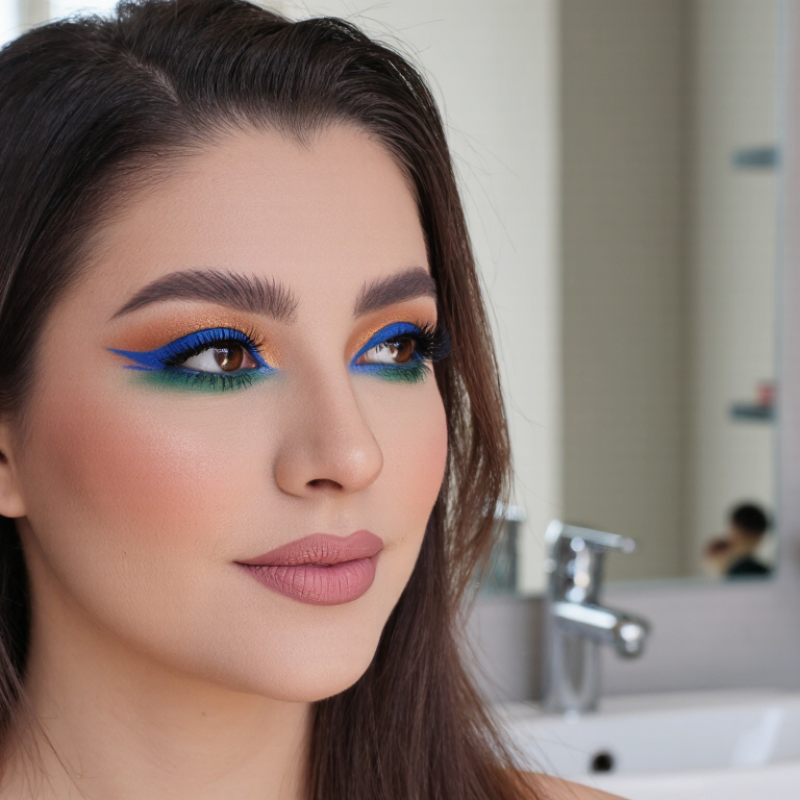
Brown eyes contain layered tones, including amber, chestnut, olive, and deep espresso. Eyeliner looks best when it responds to these undertones, not merely the eye’s surface color. Warm brown eyes often glow beside bronze, copper, and rich plum. Cooler brown eyes can look sharper with navy, charcoal, or muted forest green. Color contrast matters.
A soft plum liner brings out golden flecks without appearing overly bright. Bronze adds warmth around the lash line, especially under natural afternoon light. Navy creates clearer contrast than black, while dark chocolate gives definition with less visual hardness. I usually test a color on one eye first, then compare both sides near a window. Indoor lighting can mislead you.
Placement changes the effect. Apply a thin line along the upper lashes for polished definition, then soften the outer corner with a small brush. For smaller eyes, avoid drawing a thick line across the entire lid. It may reduce visible space. I once assumed black was always the most flattering choice, but it made my brown eyes look tired in photographs. That mistake reminded me to judge color, thickness, and lighting together. Sensitive eyes may need fragrance-free formulas and careful removal, even when the shade looks perfect.
FAQS
Bronze, copper, plum, navy, and forest green can reveal hidden iris tones. Warm browns often suit bronze or copper. Cooler browns may look sharper with navy or charcoal.
Soft plum can bring out golden flecks without looking extremely bright. It adds gentle contrast near the lashes. Keep the line thin for daytime makeup.
Not necessarily. Dark chocolate defines brown eyes with less hardness than black. Navy can create contrast without looking as severe. I once used black constantly. My eyes looked tired in photos.
Fair skin often suits taupe, chocolate, plum, and muted bronze. Medium skin can carry espresso, olive, copper, and deep navy. Richer skin tones may suit aubergine, metallic bronze, or blue-black.
Test the shade near your jaw in natural daylight. Indoor bulbs may make warm colors look dull or overly orange. You can also apply it to one eye and compare both sides near a window.
Draw a thin line along the upper lashes. Avoid covering the entire lid with a thick line. Soften the outer corner with a small brush. This preserves more visible eyelid space.
Brown or plum works well with soft daytime makeup. Bronze pairs naturally with peach blush. Navy or emerald can add interest when the rest of the eye makeup stays minimal.
Consider fragrance-free formulas and remove makeup carefully. Test new products on the outer arm first. Stop using a product if burning or lasting redness appears. Replace eye makeup regularly, even when it still looks usable.
Conclusion
Choosing the right eyeliner can make brown eyes look brighter, deeper, and more expressive. This guide explains how to choose eyeliner colors for brown eyes by considering your eye shade and natural undertones. Warm brown eyes may glow with bronze, copper, plum, or rich brown shades, while cooler brown eyes can benefit from navy, charcoal, emerald, or soft gray. Classic black remains a versatile choice, but softer colors can create a more natural and dimensional effect.
The article also explores how to select eyeliner for different occasions, from subtle daytime definition to bold evening looks. It highlights the importance of matching eyeliner with your skin tone, eyeshadow, and overall makeup style. Finally, practical application and testing tips help you compare shades in natural light, adjust the intensity, and find the most flattering finish for your features.
